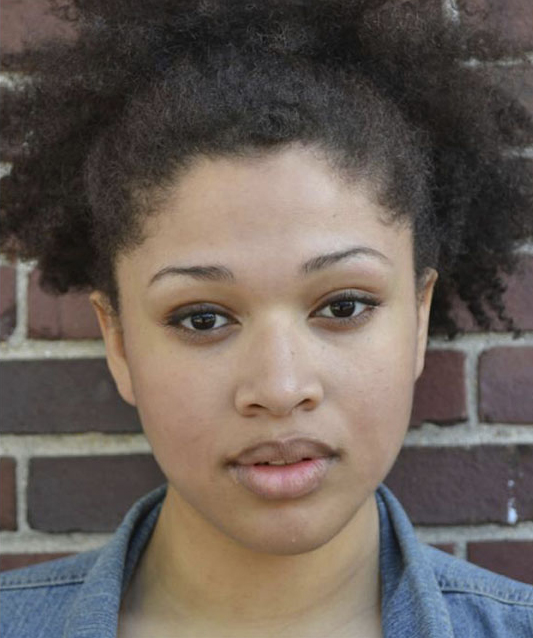
Lauren Fitzgerald (Black Womxn from the South) is the Managing Director of the Intercultural Leadership Institute (ILI), the founder and Lead Executive Strategist for Strategize/619, a cultural strategy firm, and the Interim Director of the Jefferson Street United Merchants Partnership (JUMP Nashville). She has worked with and performed at several art institutions and theaters such as the Carpetbag Theatre (Knoxville TN), The Walnut Street Theatre (Philadelphia, PA), The York Theatre Company (New York, NY), The Weathervane Theatre Company (Whitefield, NH), The Nashville Children’s Theatre, and with the Metro Nashville Arts Commission as the Neighborhood and Artists development coordinator managing the THRIVE funding program for community art projects.
|
|
|
LED |
|
|
|
|
|
Left of Center Art Gallery |
|
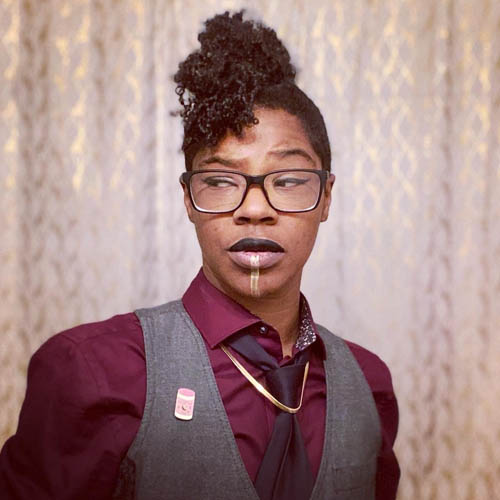
Discipline: Visual Arts Roux Haile is a transdisciplinary artist whose work and social practice centers creativity as the driving force for personal and collective liberation. Through tattooing, dance, circus, protest and community organizing they explore the relationship between individual, interpersonal and communal freedom. |
|
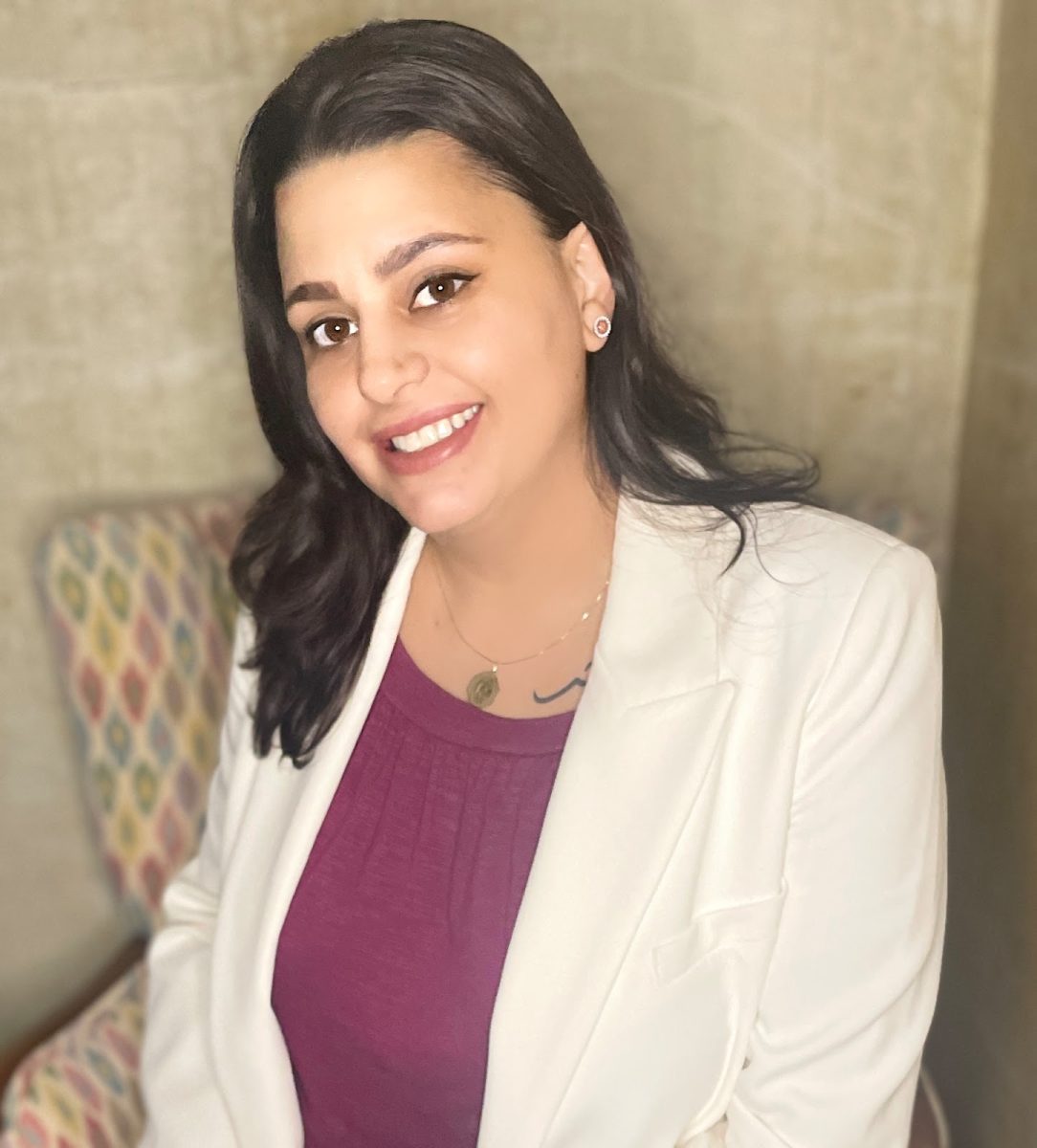
Collections Manager and Archivist, Stax Museum of American Soul Music Leila Hamdan is an art historian with over fifteen years of experience in archiving, curating, and preserving works, and serving as a vital channel in educating the public about those works. Her knowledge and curiosity have helped nationally recognized cultural institutions, such as the National Civil Rights Museum and Penland School of Craft to preserve priceless American artifacts. A lifelong steward of art and material culture, Hamdan’s dedication to its research, record and care has been rewarded with a breadth of opportunity to share the stories told by both visual and audio pieces and their creators. Hamdan is a Lebanese American from the Deep South delta region who specializes in American and African American art and history. She processes, catalogs, and preserves ephemera and objects belonging to arts and cultural institutions to make vital information useful and accessible. As an academic, she studies works of art, music, photographs, and documents to illustrate a more nuanced and detailed story about historical events and individuals centered around the counter-narrative and the underrepresented subject. Currently, Hamdan holds the position of Collections Manager and Archivist for the Stax Museum of American Soul Music and the Soulsville Foundation in Memphis, TN. |
|
Discipline: Dance Leilani I. Marciano of Saipan, CNMI, carries the wisdom and love passed down from her mother and the women of her community. A traditional craftswoman and teacher of local modernized dance, she nurtures culture the same way she nurtures her family—with patience, care, and deep-rooted pride. A mother to one, but a guiding hand to many, Marciano has helped raise countless nieces, nephews, and grandchildren, all while keeping tradition alive. She generously shares her knowledge not only within her family, but throughout the wider community—teaching in schools, workshops, and participating in cultural events to ensure these traditions continue to thrive. When she’s not teaching, she turns to her quiet craft—creating lighatutuur, delicate beaded necklaces. Each piece is created with intention, preserving the essence of her culture and passing along its meaning, one bead at a time. |
|
|
|
|
|
|
|
|
|
Program Assistant, East-West Center Arts Program |
|
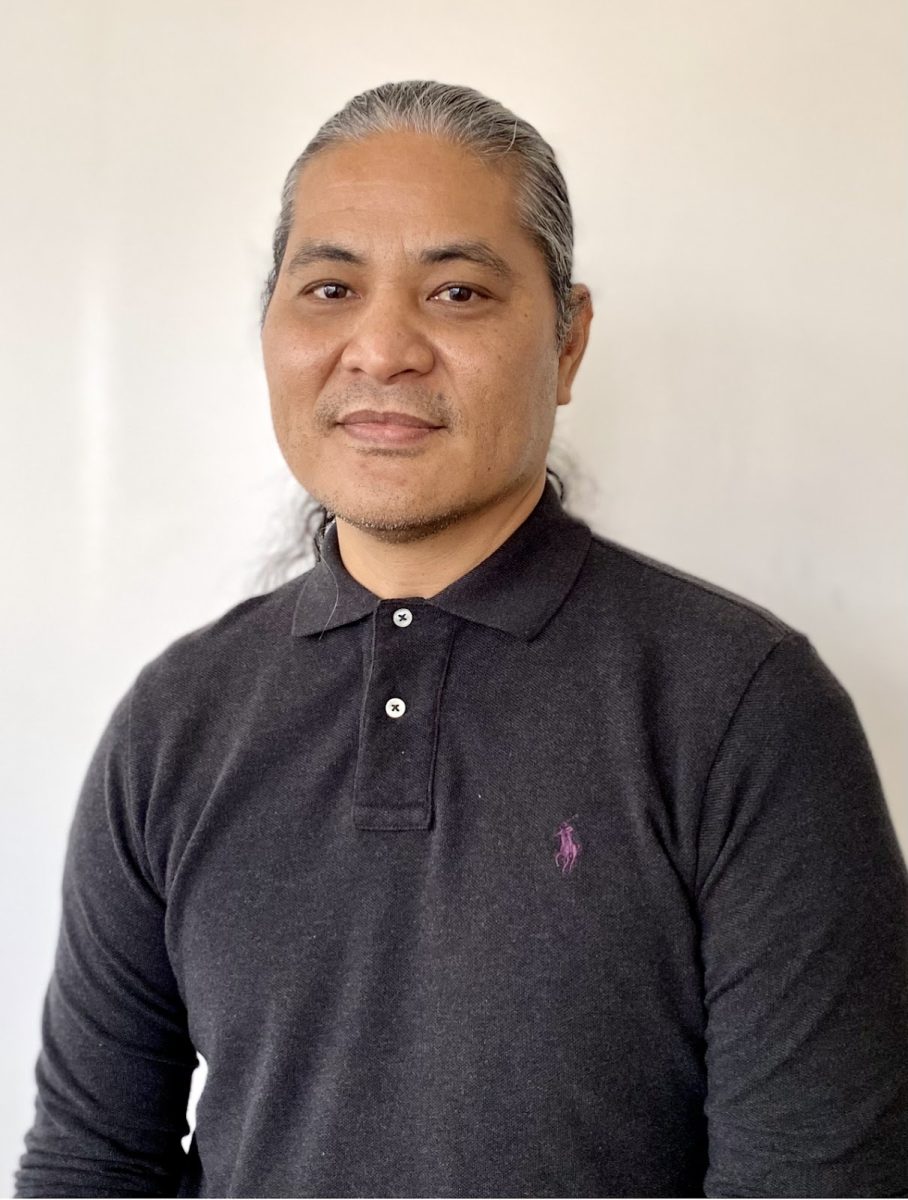
Discipline: Folklife/Traditional Crafts&Visual Arts Leonard Leon is a multidisciplinary artist whose practices stem from Pacific cultural values and heritages. As a carver, photographer, graphic designer, and a filmmaker, Leon leverages visual arts to invoke conversations on shared cultural practices as well as for interpretive storytelling. As a Marshallese, Leonard was raised in a family with great respect and love for the ocean. Later moved to the Northern Mariana Islands, Leon was adopted and raised by Francisco Babauta and his Chamolinian family. In this family, he was taught the value and respect for land, where he spent many years tilling native fruits and medicinal plants in the former botanical garden, Fruitland, now an abandoned mall in Saipan. |
|
Leonard Leon is a photographer, filmmaker, cultural jewelry artist, and lifelong creative who draws influence from around the Pacific. Originally born and raised in the Marshall Islands, Leon moved to the Commonwealth of the Mariana Islands (CNMI) as a young man and grew to admire the indigenous Chamorro and Refaluwasch cultures he encountered while living in Saipan, CNMI. Leon has a BA in Creative Media with a Minor in Cultural Anthropology from the University of Hawaii at Manoa. On Saipan, Leon is best known creatively for the series of photos and stories he collected of the island in the aftermath of Super Typhoon Yutu. |
|
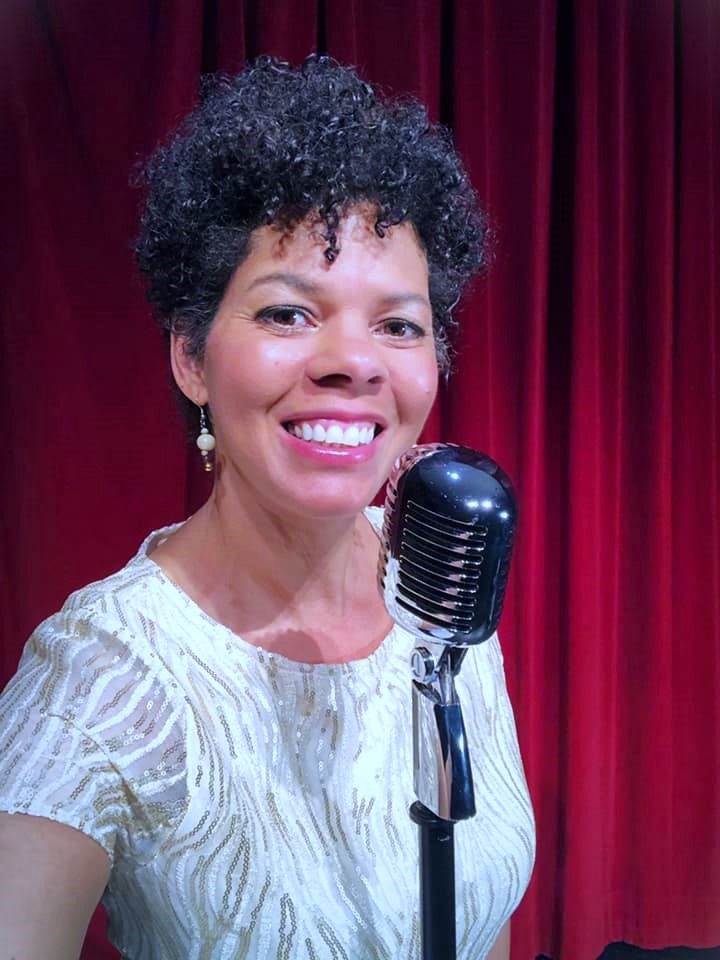
Leta Harris Neustaedter is a musician and actor who founded Metamorphosis Performing Arts Studio, where she integrates life skills into arts education. She has directed musical theater camps, Make-A-Movie camps, and created three seasons of Chill Skillz, an educational sketch comedy series. Neustaedter collaborates with the Boise High Orchestra on an ongoing program called Music That Matters, performs at local venues, and sings with the Boise Philharmonic Chorale. She is a Certified Change Leader with the Idaho Commission on the Arts and a juried member of Music to Life. Neustaedter composed the musical underscoring for all 70-plus episodes of her podcast, The Lovely Afro, an archive of stories from the BIPOC community. Last year, she produced, directed, and starred in a reading of a Lynn Nottage play. She also served as bandleader and pianist for a production of Lizzie. Neustaedter was one of nine recipients of the 2024 National Alliance for Musical Theatre New Writer Residency Grant for her original musical, for which she has since completed two drafts. |
|
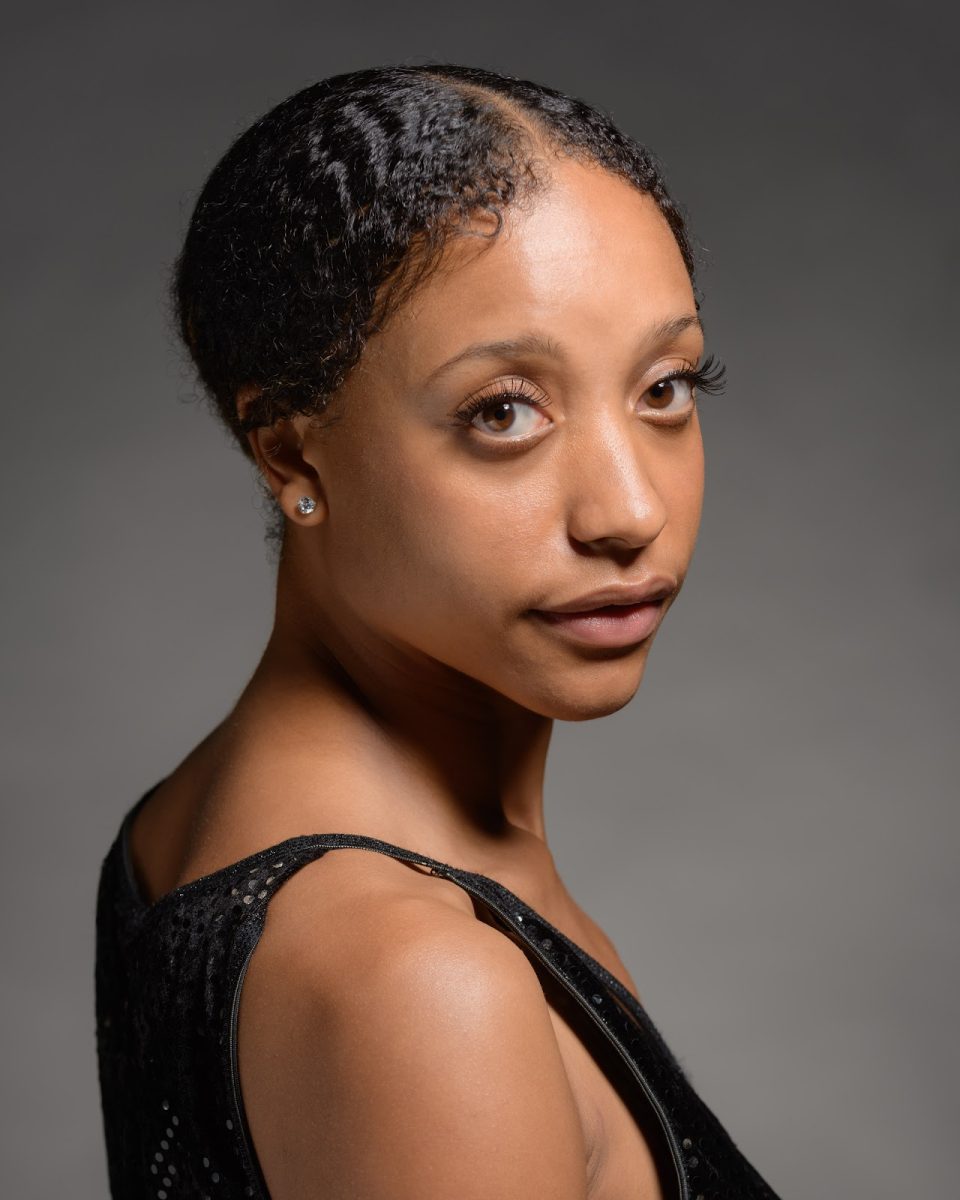
Executive Director, Chelmsford Center for the Arts Lexy Lattimore is an artist, director, and social worker. She recently became the Executive Director for the Chelmsford Center for the Arts (CCA). She is the first person of color to serve as the head of a department in Chelmsford, MA, her hometown. Lexy was a Mandel Leadership Fellow at Case Western Reserve University where she studied healing-centered community building through the arts. Lexy’s masters in social work focused on community trauma and resilience and influenced her place-keeping and resiliency work in Cleveland’s historic Hough and Glenville neighborhoods. Project highlights include working with Cleveland teens to produce a performance educating neighbors on redlining and involving them in a zoning project to “”undesign”” redlining; facilitating storytelling workshops that fueled a major roadway improvement plan; and, supporting youth to create theater about community safety, violence, recovery, and perseverance. In addition to her community practice, Lexy has had an extensive career as a dancer, performer, and storyteller. She has performed with two contemporary ballet companies and has traveled to Cuba, Spain, Italy, and Australia, sharing her love for dance with the world. She has produced her own work in NYC, Boston, Durham, and Cleveland. Lexy graduated cum laude from Duke University with a Bachelor’s in History and honors in Dance. She is the recipient of the Cleveland Arts Prize Verge Fellowship. |
|
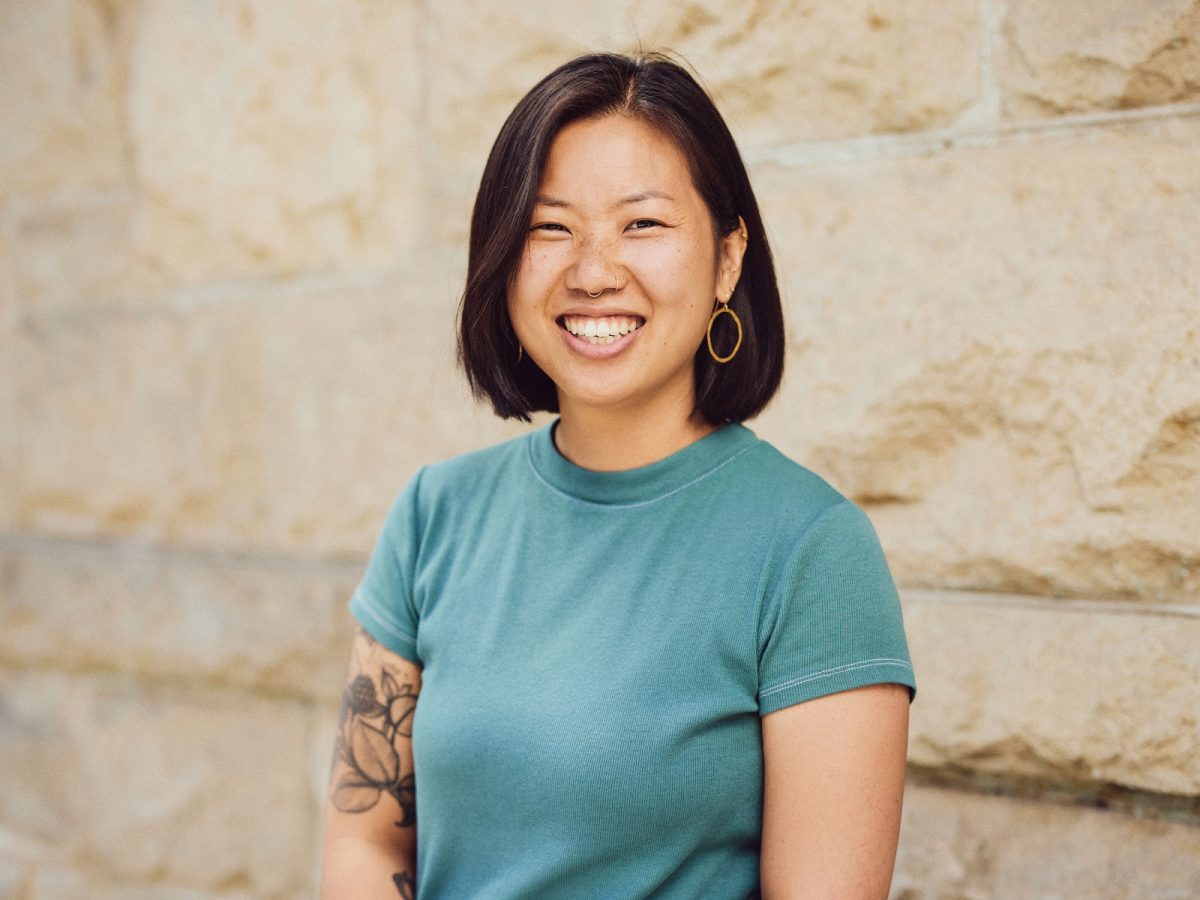
Born in Nanjing, China, and raised in Portland, Oregon, Lianna Hamby holds a bachelor’s degree in Studio Art and a master’s degree in Museum Studies. Lianna is a public art administrator in Boise, Idaho and through her work she is able to support local, regional, and national artists, prioritize and uplift community input, and develop opportunities that result in artwork and experiences that can be enjoyed by all members of the public. Lianna is drawn to the fact that public art is not static – every interaction with public art adds to the growing and evolving story of the artwork, as well as the overarching story of Boise. By facilitating collaboration between artists and community members, she supports public art that reflects and shapes what Boise is, what Boise has been, and what Boise can be. In doing her part to help shape the cultural landscape, Lianna strives to uplift and amplify unheard voices. She hopes that in asking Boiseans to confront narratives that are unfamiliar and unlike their own, she encourages empathy, deeper connections, and ultimately a more equitable community. |
|
Lights Camera Discover |
|
Lily Hope, LLC |
|
Limina Arts Foundation Inc |
|
|
|
|
|
|