JaZzLine INSTITUTE
|
|
|
Discipline: Humanities H. Larry Raigetal is from Lamotrek atoll in Yap state. He is a Pairourou (Pwo) traditional navigator of Weiyeng school and from the lineage of Haboilol in Polowat. His teachers include Petrus Pakamai, Serphin Ochaitir, Baskas Mark and Edward Rainam. Raigetal teaches at the University of Guam as an assistant professor for MARC. |
|
Discipline: Music Johnny Sablan is a proud son of Agat, Guam and singer of Guam’s greeting song, “Hafa Adai, Todo Mauleg How Are You”. He released the first Chamorro recording album in 1968, named Dalai Nene, and subsequently released 15 original Chamorro music albums. With the goal of keeping culture alive through music, he opened a recording studio and helped local artists throughout the Marianas record their music. He spent decades perpetuating Chamorro culture, and served in various cultural roles in the Government of Guam, notably leading the department that opened the Guam Museum in 2016. Johnny Sablan looks to continue to keep the Chamorro culture alive, and nurture the next generation of Chamorro artists. |
|
Discipline: Multidisciplinary Jonathan Rai Sablan is a filmmaker from the island of Guam. His passion lies in capturing authentic Chamorro cultural stories and preserving them through film, with hope that it can be shared with future generations. Having worked in the film industry, he learned that Guam has just as much talent and great stories to tell the world. He is excited to continue his filmmaking journey through cultural documentaries that inspire and connect us all. |
|
Josephy Center for Arts and Culture |

|
Josh Taira is an illustrator and graphic designer based in Missoula, Montana. His work is inspired by both classic and contemporary manga and anime. Themes in his art often include his experiences as a first-generation Asian American growing up in a rural part of the United States, Japanese folklore, and modern trends in American and Japanese media. Taira currently serves as the art director at the Roxy Theater in Missoula and takes on occasional freelance illustration and design projects. |
|
Judith Cultural Committee, Inc. |
|
Juneau Jazz & Classics |
|
Kane County Center for the Arts |
|
Kauai Concert Association |
|
Kayenta Arts Foundation |
|
Kenworthy Performing Arts Centre |
|
Ketchikan Area Arts & Humanities Council |
|
Key City Players, Inc |
|
Kickstand Comedy |
|
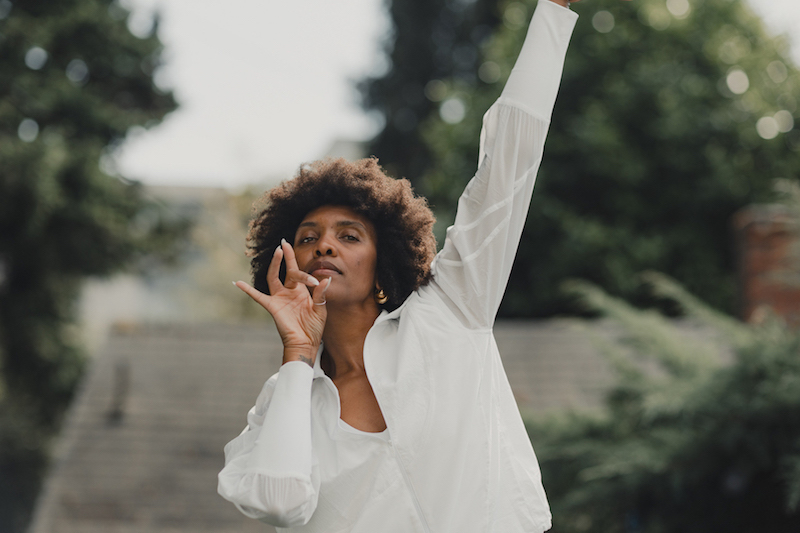
Kisha Vaughan has been a vibrant presence in Seattle’s hip-hop dance scene for more than 20 years. As the creative director of Dope Girl Movement, she develops platforms to showcase the artistic essence of hip-hop dance, celebrating its uniqueness while providing local dancers with visibility and professional opportunities. Her choreography has been featured at major festivals, dance shows, and competitions, including Seattle’s Bumbershoot Festival, her self-produced show House Party at MOB Studios, and singer Brittany Davis’ TikTok campaign and live performance at the Paramount Theatre with Stone Gossard’s Loosegroove Records. A former backup dancer for Macklemore, Vaughan has toured across the U.S. and Canada, performing on Showtime at the Apollo, Conan O’Brien, MTV, and the Billboard Music Awards. She has taught throughout the Pacific Northwest, works as a fitness coach, and serves as a Lululemon ambassador. Vaughn was honored as a 2025 Seattle Office of Arts & Culture CityArtist award recipient. She also hosts Booties & Bottles, her signature fundraiser blending hip-hop dance, joy, and community. |
|
Kitka, Inc. |
|
Kodiak Arts Council |
|
Kootenai Heritage Council, Inc. |
|
Discipline: Dance Tuifa’asisina Korina Seiuli Lee currently resides in American Samoa but hails from the mighty villages of Apia, Faleasi’u, Papauta, Solosolo, Papa Sataua and Sa’asa’ai Savai’i. Her life has always been infused with the Samoan performing arts for many years. Proudly coming from the musically renowned Le Au Salamo Family where she holds the High Chief Title of Tuifa’asisina. Tuifa’asisina serves as founder, owner, director and choreographer of Le Taupou Manaia Academy of Traditional Samoan Dance, Music & Arts in Pago Pago, American Samoa, Auckland, New Zealand, & Apia, Samoa. In the pageantry realm, she is co-gounder of Manaia Events est. 2016, which, for eight consecutive years, has managed the Miss Samoa Pageant, and has helped numerous former Miss Samoa, Miss American Samoa, Miss Samoa Utah, and Miss Pacific Islands contestants in the Talent and Traditional Attire Category. Tuifa’asisina has also choreographed numerous opening numbers for Miss Samoa, Miss American Samoa, and the Miss Pacific Islands pageants. Tuifa’asisina is the owner and manager of Measina Samoa Creations in American Samoa. This past year, Tuifa’asisina showcased 20 traditional laei samoa designs at the Utah Pacific Fashion Show. She is also a Certified Fitness Professional for the American Council on Exercise, and a mother to her beautiful daughter Lorrina. One of Tuifa’asisina’s greatest accomplishments as a Master Tuiga Fafau artist, is creating a one of a kind 3-stick tuiga in which the lave is covered with plain u’a and hand painted with natural dyes on a siapo-mamanu by Tupito Gadalla – the late Mary Pritchard’s granddaughter. This intricate tuiga fafau is now housed at the Auckland War Memorial Museum in Auckland, New Zealand. |
|
Ladies Musical Club |
|
LED |
|
Discipline: Dance Leilani I. Marciano of Saipan, CNMI, carries the wisdom and love passed down from her mother and the women of her community. A traditional craftswoman and teacher of local modernized dance, she nurtures culture the same way she nurtures her family—with patience, care, and deep-rooted pride. A mother to one, but a guiding hand to many, Marciano has helped raise countless nieces, nephews, and grandchildren, all while keeping tradition alive. She generously shares her knowledge not only within her family, but throughout the wider community—teaching in schools, workshops, and participating in cultural events to ensure these traditions continue to thrive. When she’s not teaching, she turns to her quiet craft—creating lighatutuur, delicate beaded necklaces. Each piece is created with intention, preserving the essence of her culture and passing along its meaning, one bead at a time. |
|
Discipline: Folklife/Traditional Crafts&Visual Arts Leonard Leon is a multidisciplinary artist whose practices stem from Pacific cultural values and heritages. As a carver, photographer, graphic designer, and a filmmaker, Leon leverages visual arts to invoke conversations on shared cultural practices as well as for interpretive storytelling. As a Marshallese, Leonard was raised in a family with great respect and love for the ocean. Later moved to the Northern Mariana Islands, Leon was adopted and raised by Francisco Babauta and his Chamolinian family. In this family, he was taught the value and respect for land, where he spent many years tilling native fruits and medicinal plants in the former botanical garden, Fruitland, now an abandoned mall in Saipan. |