MaryDanceStudio
|
|
|
Discipline: Dance Matauaina Gwendolyn To’omalatai Whitcombe is the President and Creative Director of Teine Lalelei Dance Academy, which she co-founded with her husband, Terrence Whitcombe, in August 2019 in American Samoa. The academy has grown to include around 80 dance students. Whitcombe established the academy with a heartfelt mission: “to preserve our culture one siva at a time.” Having studied dance in O’ahu, Hawaiʻi, under the guidance of many skilled kumu (dance instructors), she draws from her rich experience in various Polynesian dance styles. Teine Lalelei Dance Academy offers a diverse range of dance lessons on the island. Over her six years in American Samoa, the academy has aimed not only to teach dance but also to enlighten young women about the diverse cultures of the Pacific, helping them cultivate an appreciation for their heritage and cultural values. |
|
|
|
|
|
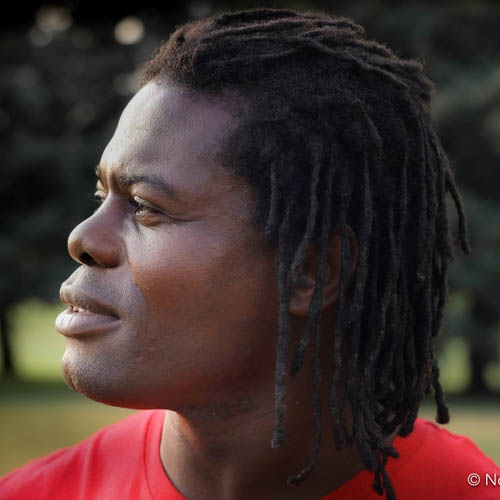
Discipline: Literature Mestre Jamaika (Mauro Romualdo) is an internationally recognized practitioner of the Afro-Brazilian art form of capoeira, and has engaged and positively impacted students and audiences of all ages and backgrounds for over 30 years. Born in the heart of capoeira’s birthplace and his ancestral land, he discovered his passion for capoeira as a young child. His exceptional skill and explosive acrobatic talent put him on the world stage, and he was invited to live and teach in Israel in 1998, followed by an invitation to teach in the United States where he has lived since 1999. He’s a three-time Brazilian Capoeira Confederation Champion, and director of Salt Lake Capoeira since 2005. Additionally, he has inspired video game characters, lectured at universities, and participated in documentaries, music videos, and podcasts. He lives in Salt Lake City with his wife, Amanda, and will continue honoring his roots by sharing his culture and strengthening the community through these arts. |
|
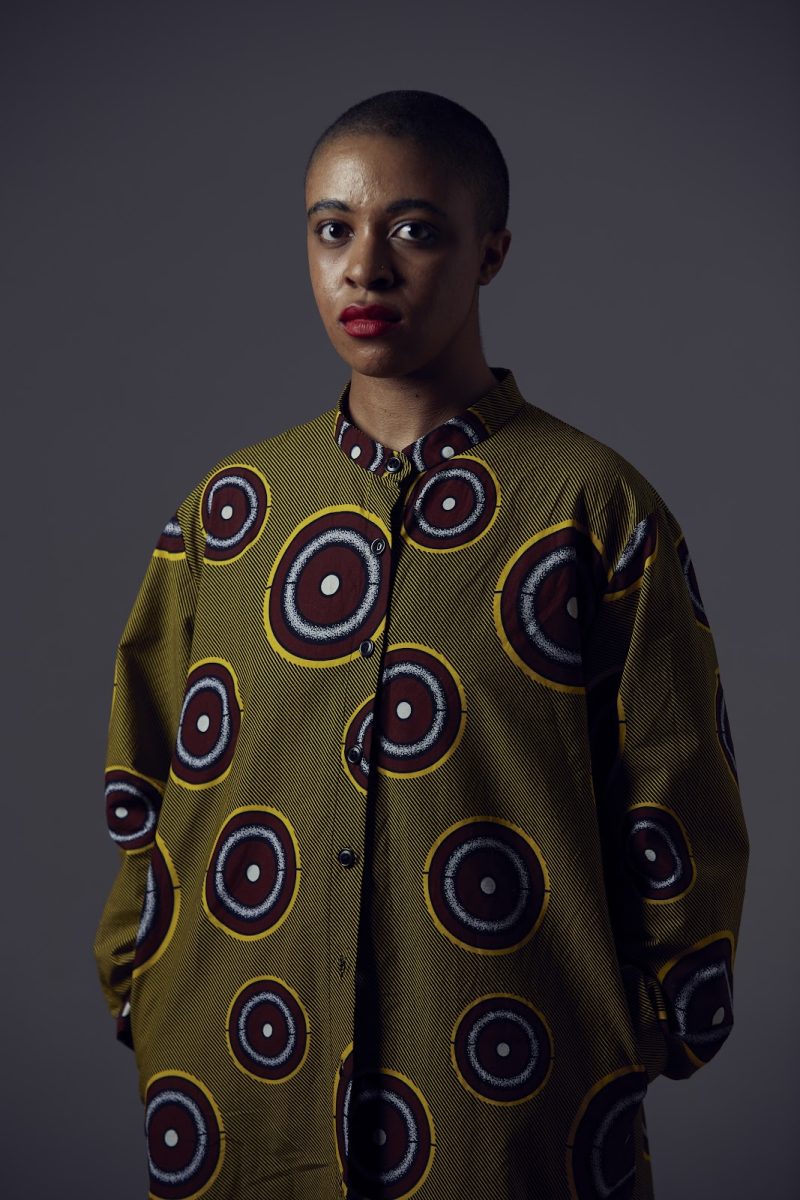
Maya Simone Z., New York City, New York |
|
|
|
|
|
Meagher County Arts Council, Inc. |
|
|
|
|
|
|
|
Methow Arts Alliance |
|
|
|
|
|
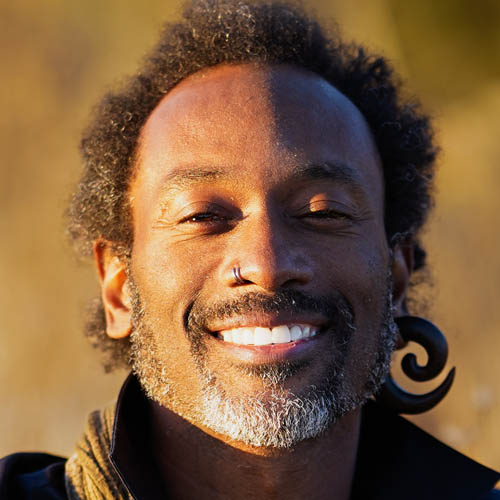
Discipline: Visual Arts Micah BlackLight can perhaps be described as a defiant, volcanic force of Nature’s creation, wearing the body of a brown-skinned catalyst and bursting with perpetual enthusiasm. A multi-media, multi-platform, multi-dimensional artist, writer, orator, coach, mentor, and fashion designer proficient in a myriad of mediums: visual, graphic, audible and otherwise. He is determined to create as many different works of art in as many mediums as possible while detonating spirits along the way and leaving trails of empowering, inspiring experiences in his wake like a spirit boat on the lake of existence. |
|
Miguel Petris is an arts administrator based in Boston, MA. In Boston he earned his Master’s degree in Horn Performance from the Longy School of Music of Bard College. He believes that music is a bridge builder and is able to connect humans across the world. Miguel has had the opportunity to work with the Boston University Tanglewood Institute, The Boston Early Music Festival, and with The Silkroad Ensemble. Recently, Miguel has started working as the Community Engagement Coordinator with the Boston Landmarks Orchestra. Through this role, he is working with an organization that puts equity and inclusivity at the forefront of their mission. Miguel hopes that this fellowship will give him the knowledge and the network to continue supporting organizations that build community through the arts. |
|
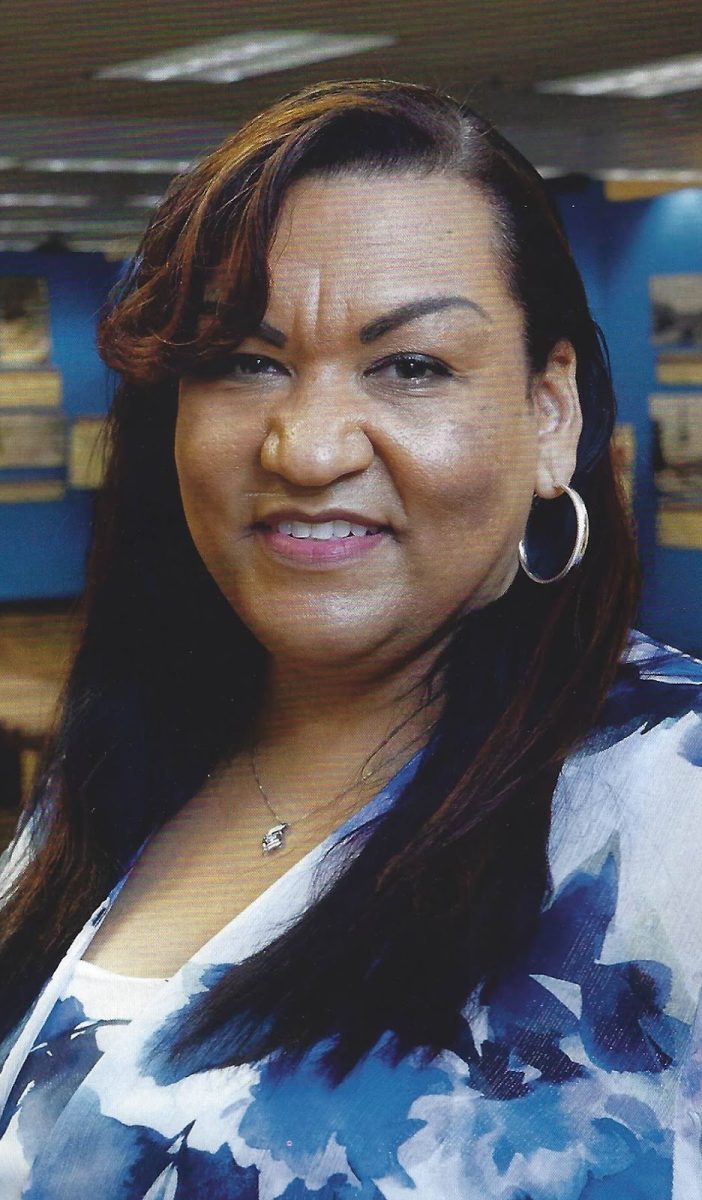
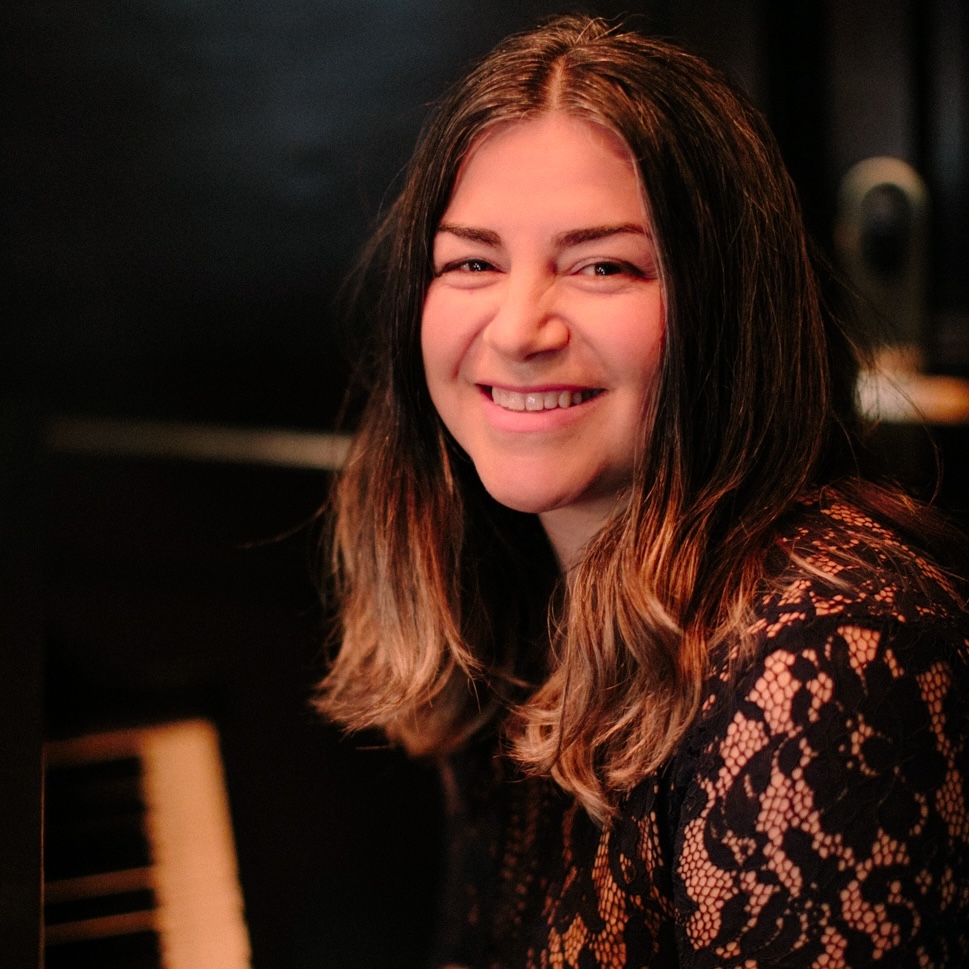
Michelle Antonina Burdex, a Tulsa, Oklahoma native, boasts a dynamic 25-year tenure as the Program Coordinator at the Greenwood Cultural Center (GCC). Renowned for her stewardship, she’s pioneered acclaimed initiatives such as the Young Entrepreneurs’ Summer Program, GCC’s Performing Arts Program, and the Children’s Defense Fund Freedom Schools Summer and After School Program. A storyteller and tour guide, Michelle has guided thousands of students, educators, and tourists through the vivid tapestry of Greenwood’s history. Notably, she led a tour for U.S. President Joe Biden during GCC’s 100-year remembrance of the 1921 Tulsa Race Massacre in 2021. Her gift lies in educating about both the tragic legacy of the massacre and the resilience of Black Wall Street, weaving together narratives that resonate deeply. |
|
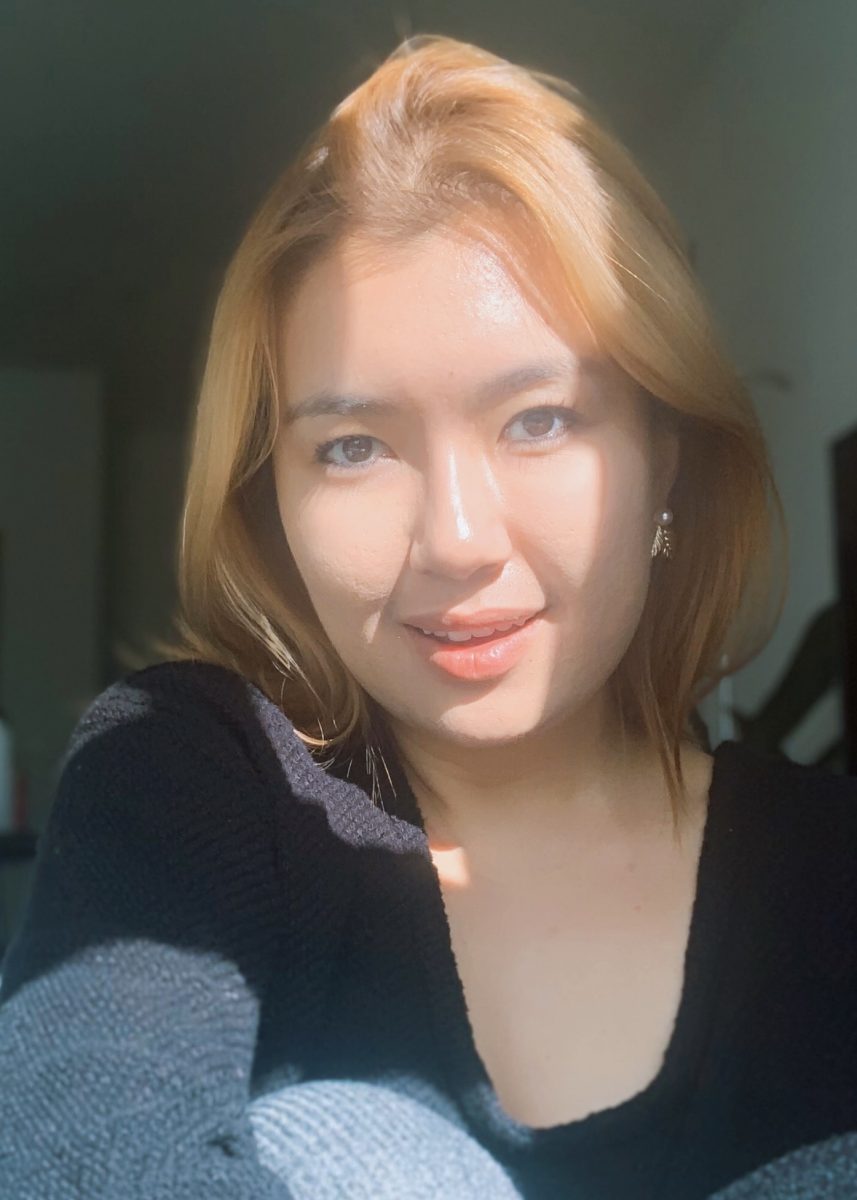
Michelle Amador, a lifelong singer and songwriter, has been acclaimed as “a new breed of musician” (Mercury News) by figures ranging from jazz bassist Buster Williams to legendary electronic producers like Osunlade. Most recently, she has recorded and released singles created with producer Eli Crews (Kathleen Hanna, Yoko Ono, tUnE-yArDs). Known for her “silken-voiced” (San Francisco Chronicle) original music, Amador draws inspiration from artists such as Solange Knowles, Nina Simone, Joni Mitchell, Björk, and more. From 2022 to 2024, Amador was a member of the Western States Center musician cohort for Inclusive Democracy and an organizing co-founder of the Cultural Solidarity Fund. She is also a California Established Artist Fellow. Beyond her artistic endeavors, Amador serves as Chief Growth Officer for the Equity Accelerator, a board member for California for the Arts, and a member of the Equity and Inclusion Leadership Alliance of North Carolina. |
|
Michelle Huynh is an intercultural theater artist, performance studies scholar and arts administrator born and raised in Hawaiʻi. Her work is rooted in creating spaces where diverse stories and communities intersect and in using performance as a tool for cultural empowerment and social engagement. She holds a doctorate in theater and drama from the University of California, San Diego, and a master’s in fine arts in Asian theater performance from the University of Hawaiʻi at Mānoa. Huynh has taught widely across the United States and abroad, including at universities in California, Hawaiʻi, New England, Singapore and Vietnam. She is a faculty member at the University of Hawaiʻi at Mānoa’s Outreach College in the Arts, Community & Engagement Department. Her practice spans Hawaiʻi, California and the Asia-Pacific Rim, where she engages in cultural organizing and collaborates with local and international artists across performance, research and community engagement on university campuses and in public venues. Her multimodal works have been presented at the Kennedy Center American College Theater Festival, East-West Center, Asian New Play Festival and Journey Theatre Company. |
|
Discipline: Visual Arts Michelle Pier is a Guam-born artist, creative entrepreneur, and mother of two with over 20 years of experience creating, exhibiting, and selling original paintings locally and internationally. Alongside her studio practice, she is dedicated to fostering creativity in the community through classes, workshops, and events that emphasize the creative arts, personal expression, and entrepreneurship. She is especially passionate about mentoring young artists, equipping them with practical tools and encouragement to pursue art as both a calling and a career. Above all, she shares her journey to inspire others to feel empowered to create and thrive. |
|
|
|
|
|
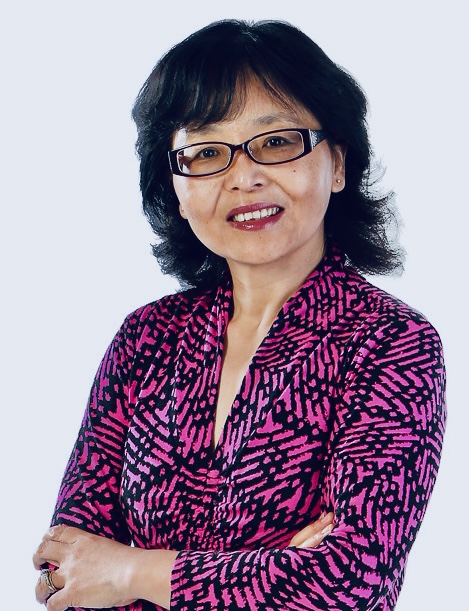
Chair, Alliance of Chinese Culture & Arts USA Passionate to connect people through Chinese culture and fusion musics; Actively involved in Chinese community’s development; started to bring Asian communities together from 2022 for showcasing Asian creative expression and cultural traditions through the power of arts. |