Mid-Columbia Community Concert Association
|
|
|
|
|
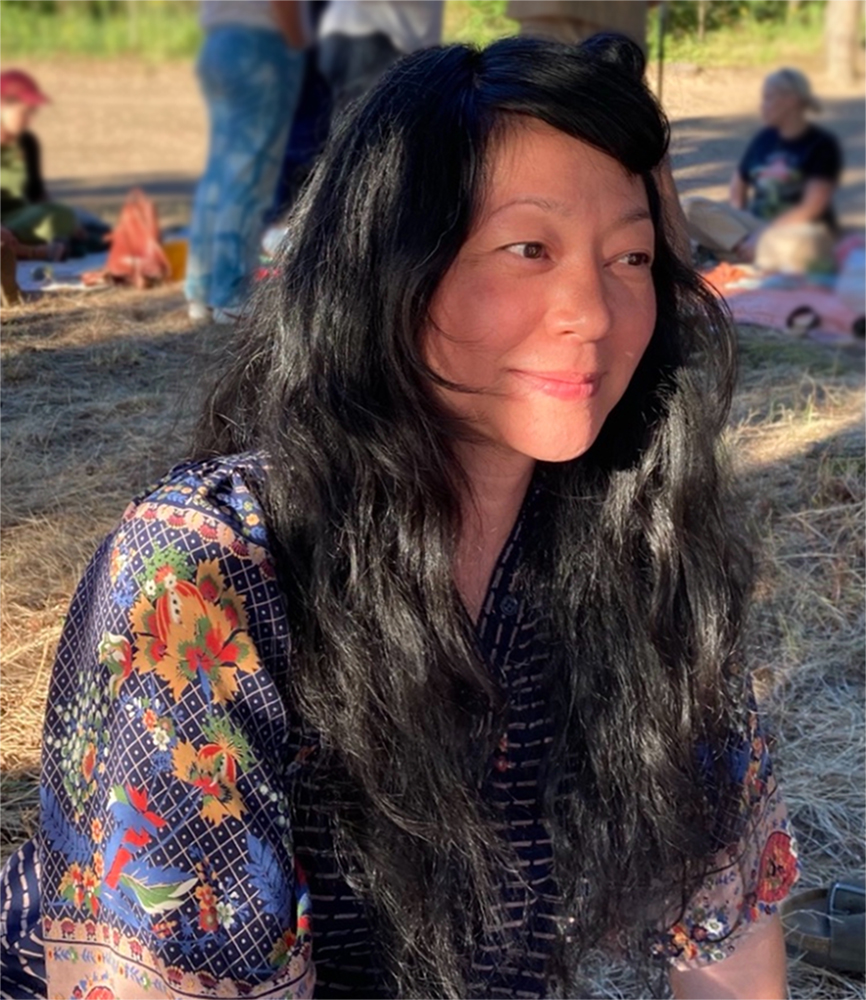
Midori Hirose, born in Hood River, Oregon, is a Japanese American interdisciplinary artist based in Portland. Through sculpture, sound, and social ritual, she explores material storytelling as a portal to memory, perception, and transformation. Her practice bridges care labor and poetic research, turning complex histories and communal connections into dimensional, tactile forms. Hirose co-leads a mutual aid collective supporting protest safety and community resilience, informing her ongoing inquiries into collective care and embodied resistance. Her work transforms shared spaces into sites of relational alchemy and slow, subversive repair. It has been exhibited nationally and internationally, including “Labor of Love” at the Jordan Schnitzer Museum of Art, “Of the Unicorn (and the Sundowner Kids)” with the Museum of Contemporary Art Santa Barbara, and East/West Project in Berlin. Her installations invite intimacy, tension, and radical possibility. |
|
Mineral County Performing Arts Council (MCPAC) |
|
|
|
|
|
|
|
|
|
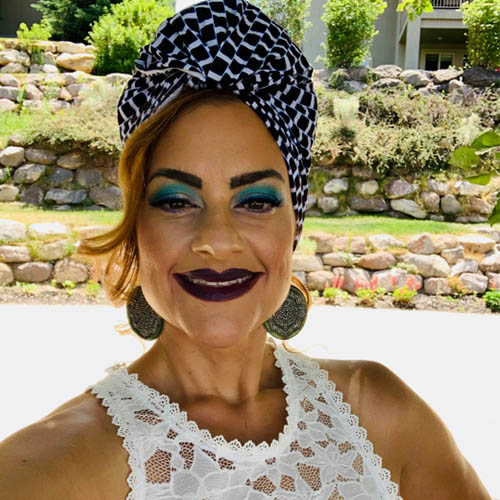
Discipline: Visual Arts Dr. Miriam Padilla, Executive Director of Bomba Marilé, is a proud LGBTQ Puerto Rican woman, a registered Taino tribal member, a doctor, and a community organizer. Dr. Padilla is board certified in Endocrinology, Obesity Medicine, and Lifestyle Medicine. She currently is the Medical Director of the LiveWell Center at Utah Valley Hospital. When Miriam is not seeing patients, she is the Executive Director of Bomba Marilé which is a non profit organization that shares Afro-Puerto Rican bomba music and dance with the community in Utah. Dr. Padilla has received multiple awards for her community involvement including the “30 Women to Watch” award from Utah Business Magazine, the “Mujeres Destacadas” award from La Opinion Newspaper, and the Certificate of Special Congressional Recognition from the United States Congress. Miriam is grateful for the WESTAF support and hopes to continue lifting up brown, black, and indigenous voices through her work as a cultural artist in the state of Utah. |
|
Mission Valley Live |
|
|
|
|
|
|
|
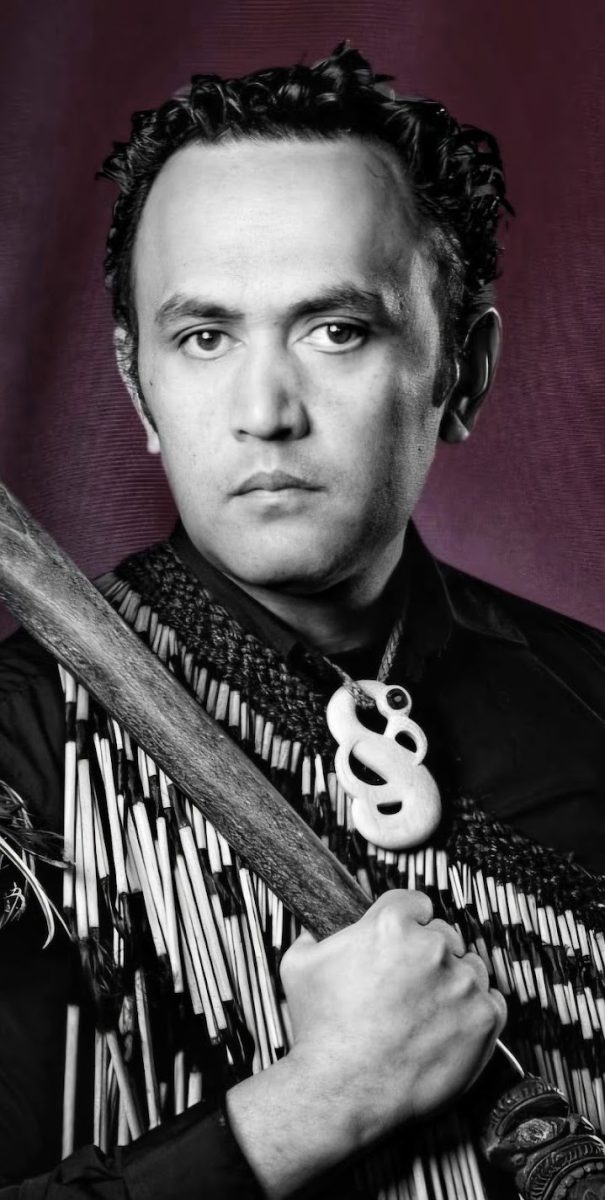
Discipline: Folklife/Traditional Arts Mitchell Rudolph is a Māori cultural practitioner, haka educator, and first-grade teacher based in Utah. Raised on his marae in Aotearoa, Rudolph learned haka, waiata, karakia, and Māori performing arts through intergenerational teachings rooted in cultural responsibility, ancestral knowledge, and community care. His grandfather, a tribal leader, instilled values that continue to guide his work today. Rudolph serves as a teacher at Mana Academy Charter School and works as a cultural mentor for Māori, Pacific Islander, and Indigenous youth and families across Utah. His creative practice centers on haka as a tool for healing, identity, belonging, and collective voice. He leads workshops, performances, school programs, and community gatherings that honor tikanga Māori while fostering connections across Indigenous and multicultural communities. Much of Rudolph’s work focuses on supporting youth in the diaspora, helping them reconnect with their ancestors, build confidence, and see their cultures reflected with pride. Through teaching, curriculum development, and community collaboration, he carries haka forward with integrity, care, and purpose. |
|
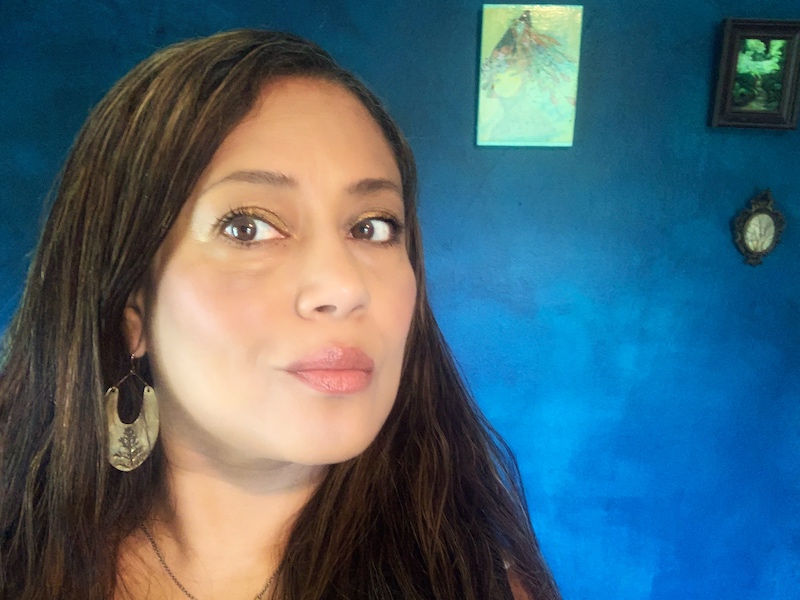
MK Chavez (She/They) is an Afro-Latinx writer, cultural worker, coach, consultant, educator, and editor. She/They are committed to advancing equity and inclusion in the arts and beyond. She is the co-director of Berkeley Poetry Festival and the Founder and Director of Ouroboros Coaching & Writing Lab. Her writing has been honored with a Pen Oakland Award, a San Francisco Foundation/Nomadic Press Literary Award, and fellowships at CantoMundo, Caldera, Sitka, Playa, Community of Writers, and Hedgebrook. Her community activism and cultural work have been acknowledged with an Alameda County Leadership Award, and in 2023, she was recognized by the Yerba Buena Center for Arts as a YBCA 100 Fellow. |
|
Moab Music Festival Inc |
|
|
|
|
|
|
|
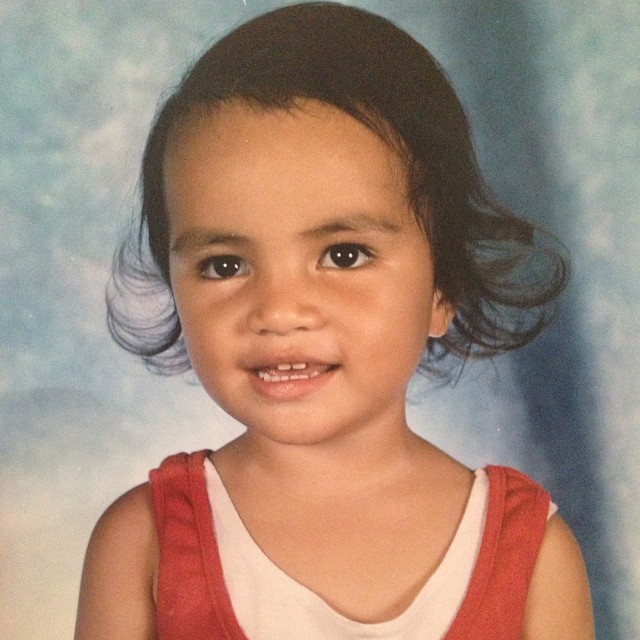
Moana doesn’t just make art—she architects worlds. Moana Iose is a multidisciplinary artist and policy mind born in Oceania and raised in the American West. Her work moves through mediums from murals to film and exhibition design to poetry. Iose’s creative practice bridges the sacred and the stylish, turning stories of home and diaspora into visual symphonies. Her aesthetic is layered, bold, cinematic and grounded in Indigenous futurism with a touch of West Coast ease. Her work moves between boardrooms and block parties, archives and airwaves, always returning to one question: what does freedom look like when it’s ours?
Iose’s vision is for Indigenous Pacific futures that are sovereign, sensual and unapologetically alive. |
|
|
|
|
|
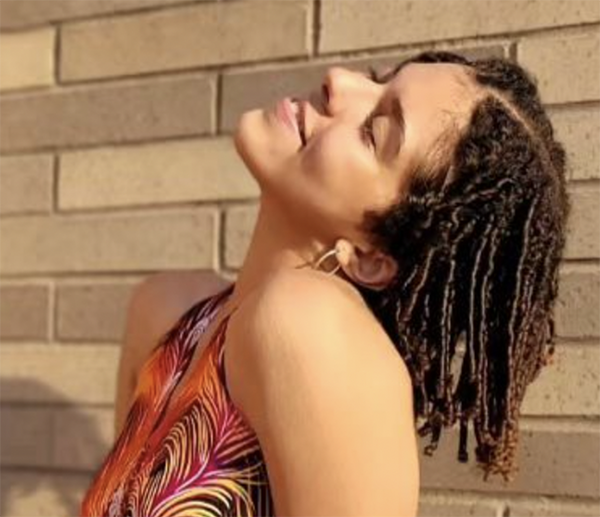
Molly Rufus is a Washington D.C-based arts administrator, creative, and culture worker. Her work focuses on creating spaces for diverse and expansive art projects. Molly is currently working at CulturalDC as their Programs and Exhibitions coordinator, where she focuses on public art and mobile art installations in the district. Her time is also spent coordinating artistic programming at EatonDC and as the DC Programs Manager and Chapter Co-Founder of Black Girls in Art Spaces. Previously, she worked as a program analytics intern at the City of Alexandria to diversify their public programming before moving to coordinate operations for John F. Kennedy Center’s Washington National Opera. |
|
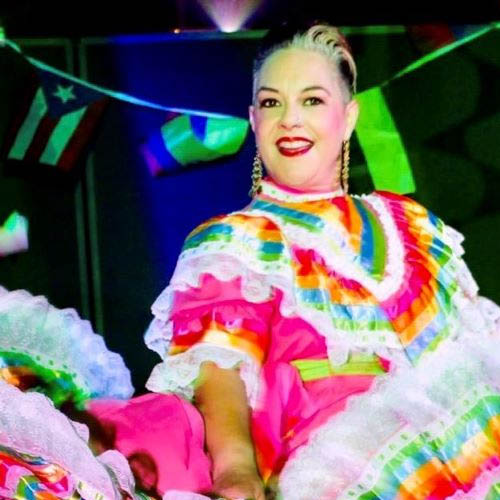
Discipline: Interdisciplinary Monique N. Michel is a bilingual educator, dancer, teacher, and the Artistic Director of her company, the the Ballet Folklorico Mexico Lindo, located in Southwest Idaho. The group was established in 2003 in Nampa, Idaho. They have over twenty Mexican states in their folklorico repertoire that they perform regularly. Monique and the Ballet Folklorico Mexico Lindo have performed in five states in the Pacific Northwest, and recently celebrated twenty-one years of existence in March 2024. |