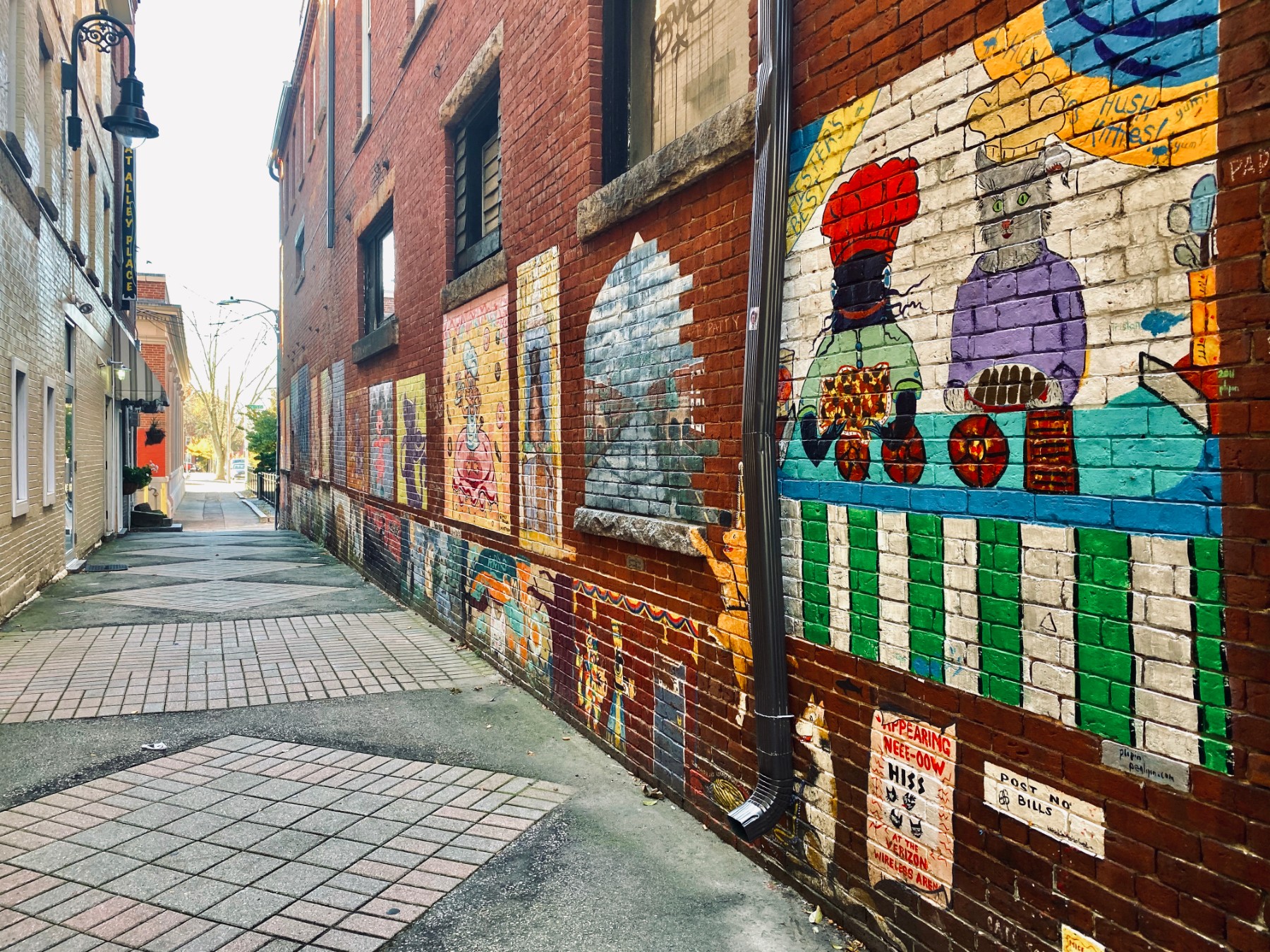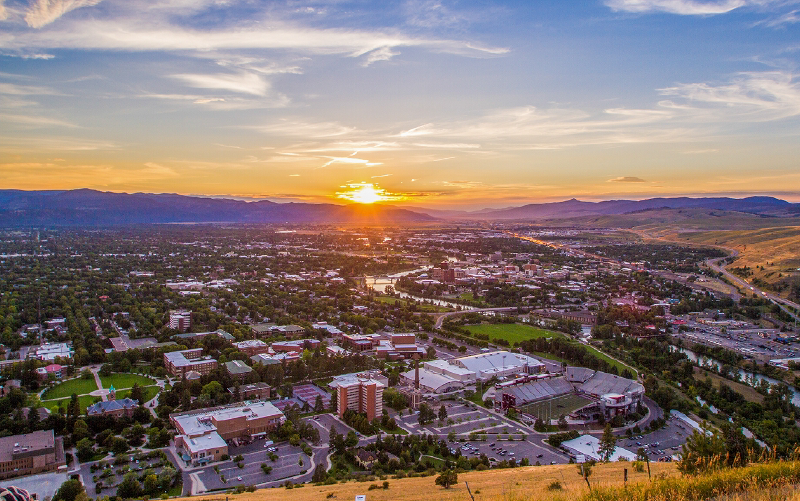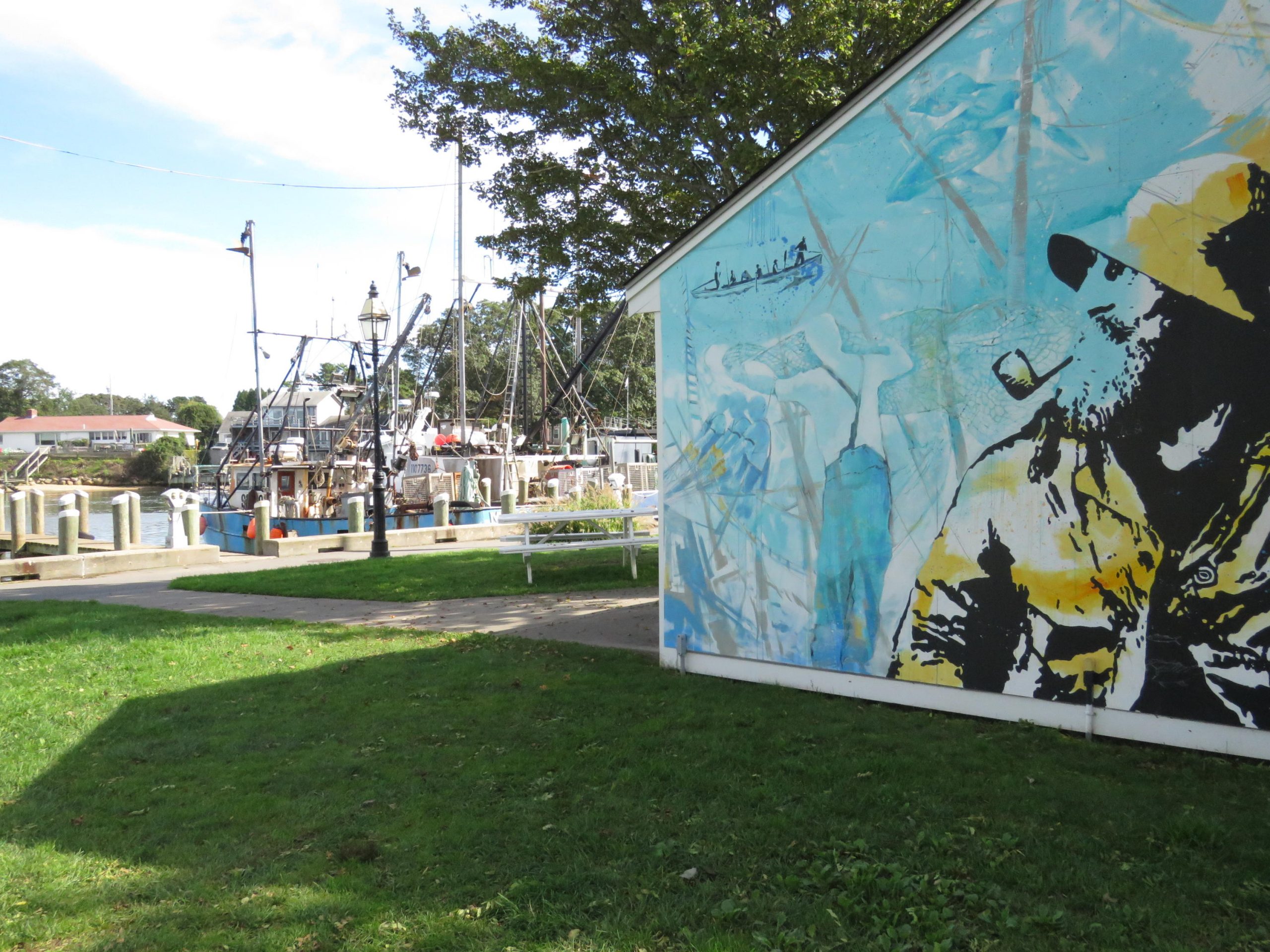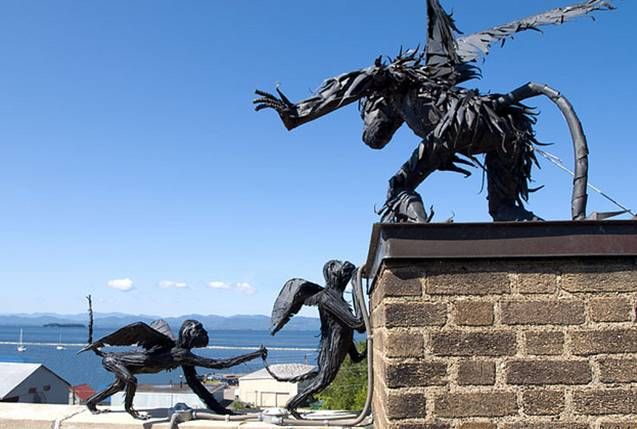





CVSuite and its team of editors, designers, and data analysts have come together to introduce The Creative Vitality List, a series of data-driven profiles that chronicle the economic impact of arts and culture on the local economy. We begin this list with The Top 30 Creative Small Cities, which looks beyond well-known creative hotspots like New York, Los Angeles, Nashville, and Austin to showcase the vitality of smaller, perhaps lesser-known, creative communities.
After identifying 392 MSAs (Metropolitan Statistical Areas) with populations under 500,000, our creative economy experts developed a method of analyzing creative occupation and industry earnings, nonprofit arts and culture revenue, and the population of the MSA. Based on these factors, each MSA is given a value that is benchmarked against the United States. This value is the MSA’s Creative Vitality Index.
In addition to featuring well-known creative communities like Santa Fe, New Mexico, the list also includes some MSAs that may surprise you, such as Medford, Oregon; Kingston, New York; and Iowa City, Iowa. While compiling this list of small cities, we discovered a wide array of creative industries that are thriving in these communities, as well as impressive concentrations of artistic and cultural nonprofits fueling the local economy through the support of their community members.
We are excited to celebrate the creative vitality of the communities featured in this list and, hopefully, inspire you to share stories of how the arts and culture sector enriches the economic and creative health of your community.
HOW DO YOU MEASURE CREATIVE VITALITY?
Creative vitality encompasses more than just one group of industries, occupations, or set of nonprofit organizations. مجموعة الحيوية الإبداعية knows this, which is why it created the Creative Vitality Index (CVI). The CVI allows users to measure important economic signals that correlate to a region’s overall creative economic health and compares them as a ratio to that of the United States. (I.e. A CVI value of 1.5 means the creative vitality of a region is 1.5 times more concentrated than that of the United states). The CVI considers not just creative industries, occupations, or arts and cultural nonprofits alone, it combines them all—while also considering the region’s density.
OCCUPATIONS
In calculating a region’s CVI value, it’s important to consider the businesses that make up the area’s creative economy. However, it’s equally important to consider the workers that comprise those businesses. The CVI consists of 36 occupations organized by Standard Occupational Classification (SOC) codes that utilize skills highly correlated with creativity. When measuring an area’s creative economy, it is important to consider the number of jobs that are added to the workforce by creative workers and the demographic make-up of the creative economy in the region. Including this information helps the data paint an accurate picture of the area’s creative vitality with respect to occupations.
INDUSTRIES
The presence and productivity of certain industries also indicate creative vitality within a region. The CVI includes data from 9 industries that are included in the North American Industry Classification System (NAICS), such as independent artists, writers, and performers and art dealers.
NONPROFIT
The creative vitality of an area isn’t just measured by monetary profit. The financial resources that a region has set aside to uplift arts and culture also play a role. That’s why the CVI includes revenues from 45 carefully selected types of organizations using the National Taxonomy of Exempt Entities Classification (NTEE) codes that define arts and cultural nonprofits. Those nonprofit revenues make up 20% of the CVI’s measure of the creative economy.
POPULATION
An area’s creative vitality cannot be measured by a single factor. Because less dense regions are also creative hotspots, the CVI looks at combinations of creative factors per person, known as a per capita measurement. By assessing creative activity in this way, the CVI answers the question: How much access does a community member have to creative opportunities?