E hui me nā mea hāʻawi makana a Creative West a me nā hoa—nā mea hana kiʻi, nā mea lawe moʻomeheu, nā keʻena hana noʻeau, a me nā hui e hāpai ana i ka noʻonoʻo i ko lākou mau kaiāulu.
Hāʻawi ʻia nā haʻawina mai FY 2021 - FY 2023
Nā alakaʻi o nā alumni kala
%
o FY 2023 Tourwest hāʻawi i kākoʻo i ke komo ʻana i nā hana noʻeau ma nā kuaʻāina
Mahalo iā ʻoe a me Yu'us Maʻasi no ke kākoʻo ʻana i nā mea hana kiʻi ʻōiwi a me nā mea pena kiʻi, a no ka hāʻawi ʻana iaʻu i kēia manawa e kūkulu i waʻa kuʻuna kūikawā no ko mākou kaiāulu!
Pete Perez
2024 BIPOC Artist Fund | ʻO Saipan, ʻĀpana Mariana ʻĀkau
He hana kupaianaha ia i hoʻoikaika iaʻu e hana i kaʻu mau pahuhopu i ka hana noʻeau a me ka moʻomeheu. Manaʻo wau e hoʻomau ʻia nā pilina a mākou i kūkulu ai i ka makahiki i hala me ke kākoʻo mai ka papahana. Mahalo wau i nā hana a pau mai nā limahana a hoʻoikaika wau i ko lākou makemake e hana i kahi ʻokoʻa. Ua hoʻololi maoli ka papahana i koʻu ola.
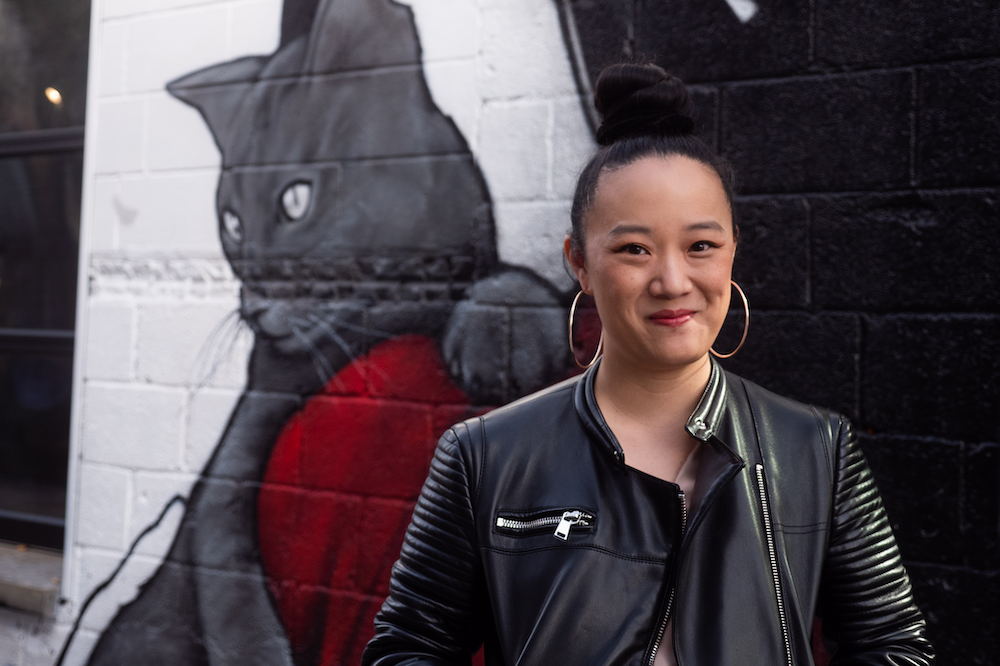
Sam Zhang
23-24' LoCF hoa | Mikikana
E hoʻomaka ana kēia mau kālā i kahi kaʻina hana 2 makahiki lōʻihi e lilo i mea hoʻomohala hoʻokele waiwai e ka International Economic Development Council. ʻO kaʻu manaʻo nui i ka ʻoihana liʻiliʻi, ʻoihana ʻoihana, wahi hana, ʻenehana a pehea e hoʻolilo ai i nā ʻoihana liʻiliʻi me nā mea i loko o ka hoʻokele waiwai. ʻO kaʻu pahuhopu ʻo ka loaʻa ʻana o kaʻu palapala hōʻoia i nā makahiki 2 e hiki mai ana a e hoʻololi i kahi mea hoʻomohala hoʻokele waiwai a i ʻole ka luna hoʻokele keʻena.
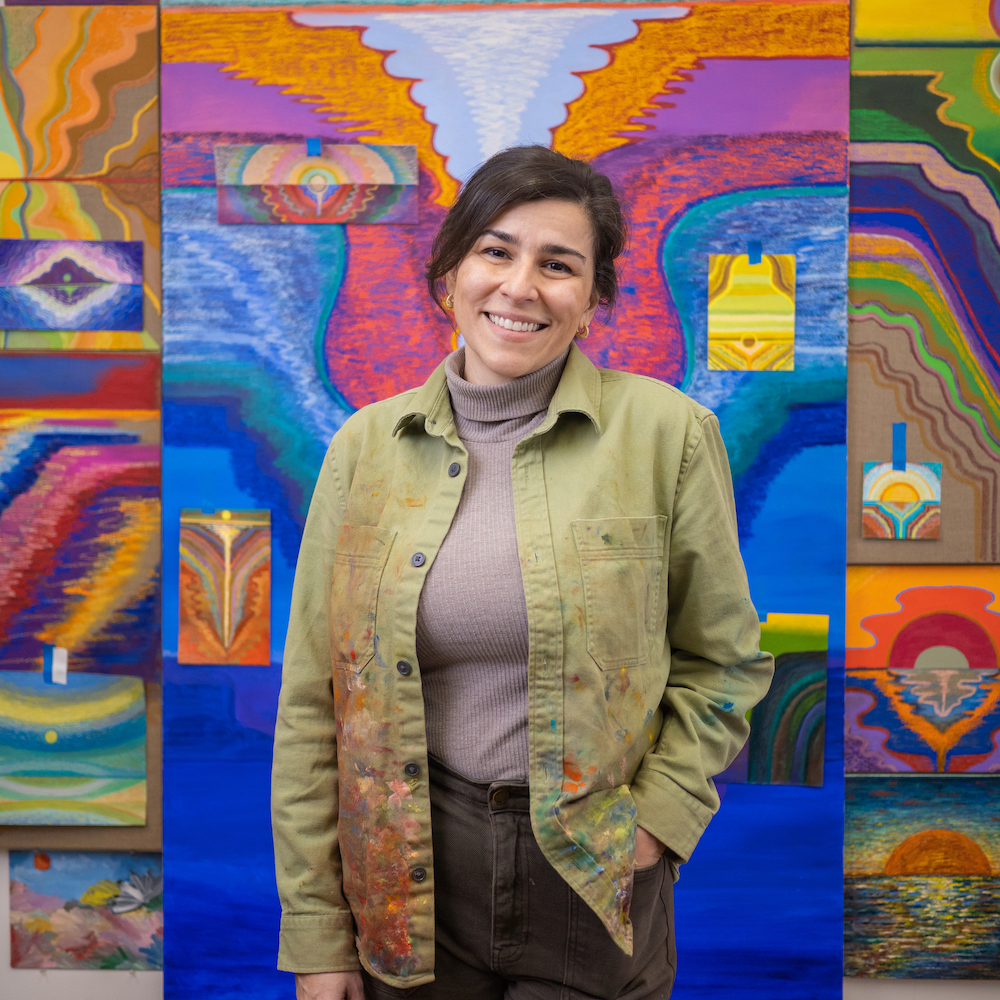
Aiyana Perez is a visual artist based in Lander, Wyoming, known for her surrealist exploration of nature’s beauty through paintings and public art. A member of the Eastern Shoshone Tribe, she was born and raised on the Wind River Reservation. With a diverse background in art—including digital media, stained glass, photography, and public art—Perez uses various mediums to express her creativity. She earned an associate degree in fine arts and an associate of applied science in photography, both from Central Wyoming College in 2021.
In 2022, Perez founded SageBrush Studio, which allows her to prepare for gallery exhibitions across Wyoming while fostering a vibrant artistic community and refining her own skills.
“Within my artwork, I incorporate motifs of universal thought, mountainous landscapes, and surrealist realities, allowing viewers to dive into a metaphorical realm,” Perez says. “Raising cultural awareness by including the Western narrative, but especially Indigenous peoples’ history, in an ever-changing community is what I strive to push through my art narrative. Through my work, I aim to push boundaries, foster artistic dialogue, and share the power of visual storytelling. I hope to create art that encourages others to see the world through a similar lens of wonder and imagination.”
Amanda King is a classic singer of standards and jazz, celebrated as a true chanteuse with a straight-ahead style steeped in tradition.
Praised by The New York Times critic Stephen Holden as one of the nightclub world’s “exceptional rising talents,” King dives deep into the treasure trove of musical history, honoring the stories, songs, and legends that shaped the rich tapestry of early American popular music and jazz.
Having recently made her international debut, she is currently touring across the United States, captivating audiences with her smooth voice and confident style. Her performances, infused with the sophistication of a bygone era while resonating with contemporary vibrancy, have earned her the affectionate moniker “Las Vegas’ Queen of Swing.”
In 2024, she was featured on “Standards Deluxe,” an album by the Rob Dixon/Steve Allee Quintet. The record spent 18 weeks on the JazzWeek Top 50 chart.
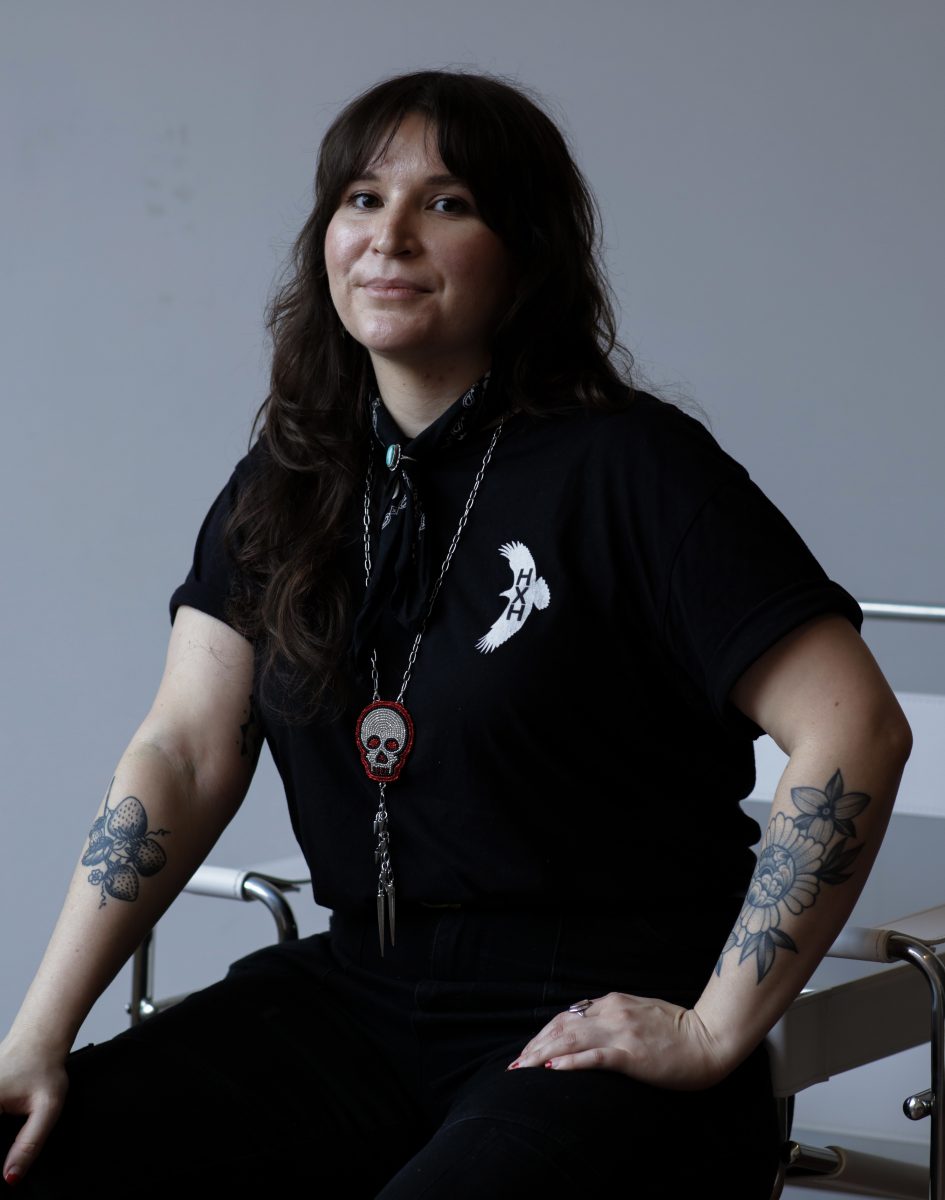
Amber Kay Ball, born in Portland, Oregon, is a theatre maker, visual artist, and community-based advocate. As a contemporary Native multi-practice artist, Ball uses theatre, multimedia, and beadwork to share stories, truths, laughter, and joy. These mediums allow them to critically explore, honor, and weave Native pasts, presents, and futures through a just and liberated methodology.
Ball is a co-founder of Native Playwrights PDX and has showcased work with Portland Institute for Contemporary Art’s Untitled Native Project, Alternative Theatre Company’s Bridging Turtle Island Theatre Festival, and as co-director of The Nut, The Hermit, The Crow and The Monk at New Native Theatre. Their play, Finding BigFoot, was selected for Fertile Ground PDX’s New Play Festival and premiered as a staged reading at Barbies Village.
Ball is a Miller Foundation Spark Awardee, a PICA PDX Precipice Fund Awardee, a recipient of the Indigenous Place Keeping Artist Fellowship through the Confederated Tribes of Grand Ronde, and the Community Mentor Award from Southern Oregon University’s Native American Studies Department.
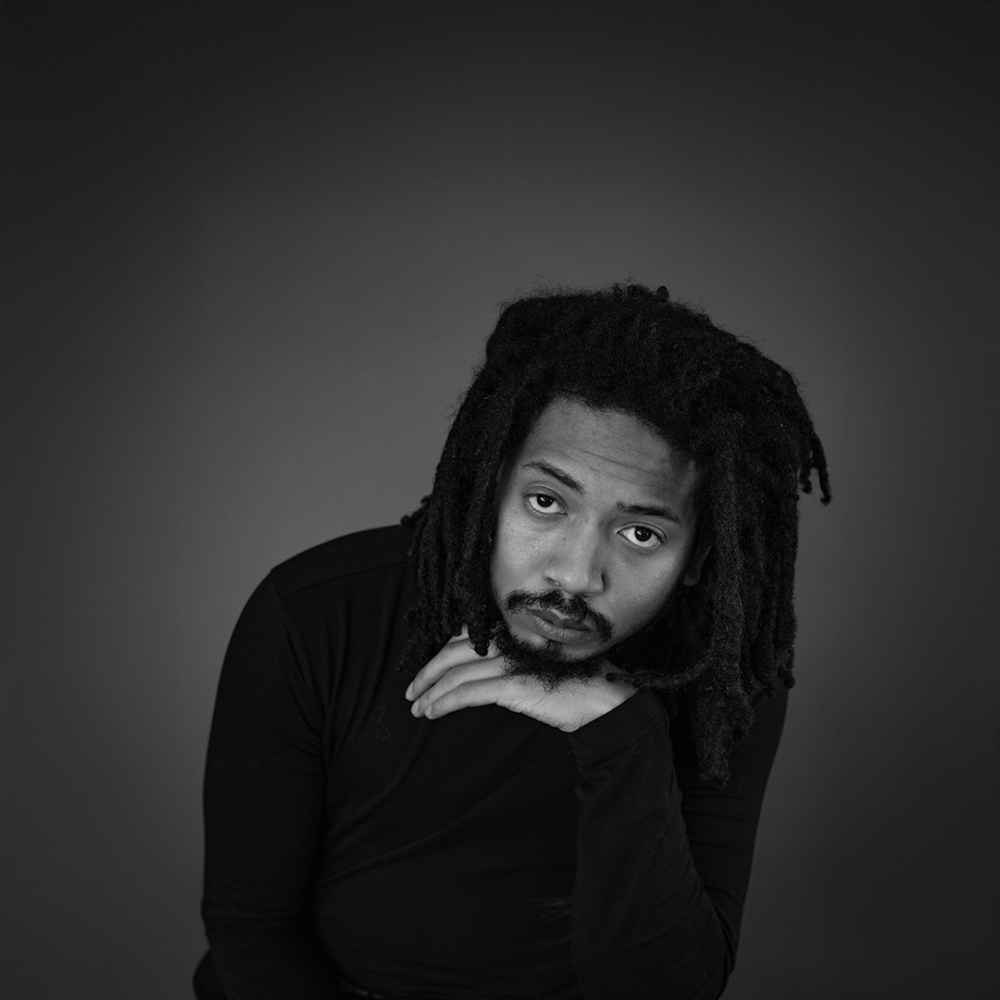
Hakeem Furious (Andre Carbonell) is a wordsmith from Jacksonville, Florida, with roots in the Rocky Mountains. He graduated from a Southern performing arts high school as a theater major and developed a passion for words through the spoken word community at Florida A&M University, a historically Black college and university that deepened his understanding, appreciation, and preservation of Black culture and resilience.
Currently, he travels the country performing poetry and comedy, curating shows, and writing curriculum and grants as CEO of the #UltraTerrestrialTour.
Angelica Trimble-Yanu, born and raised in Oakland, California, is an enrolled member of the Oglála Lakȟóta Sioux Nation from the Pine Ridge Indian Reservation in South Dakota. She holds a Bachelor of Fine Arts in printmaking from the Pacific Northwest College of Art.
Trimble-Yanu’s work has been exhibited at venues including the De Young Museum, MarinMOCA, and the Palazzo Albrizzi-Capello during the 2022 Venice Art Biennale. That same year, she was nominated for the SFMOMA SECA Award following her first solo exhibition, BLACK SUN, at San Francisco’s MRKT Gallery.
Her interdisciplinary and community-based practice has led to numerous public residencies and artist talks with institutions such as Google, the De Young Museum, the Institute of Contemporary Art SF, the Berkeley Art Center, the Museum of Archaeology at South Alabama University, Oregon State University, and Santa Clara University.
Anpa’o Locke is an Afro-Indigenous writer, filmmaker, and curator. She is Húŋkpapȟa Lakota and Ahtna Dené (Village of Tazlina), born in the Standing Rock Nation and now residing in Albuquerque, New Mexico.
She was a 2023 Native Lab Fellow and a 2022 Full Circle Fellow at the Sundance Institute, where she developed her upcoming short film, “Kawá,” which follows an Afro-Indigenous teen reconnecting with her Native roots. Her work is focused on amplifying Indigenous narratives in cinema.
In 2023, Locke co-curated “Imagining Indigenous Cinema” at the UCLA Film & Television Archive. This groundbreaking series showcased more than 40 films by U.S.-based Indigenous artists in the post-Standing Rock era. She has also worked as a writer for PBS Digital Studios’ “Sovereign Innovations” and as an associate producer for Best Case Studios.
Bruna Massadas (b. 1985, Rio de Janeiro, Brazil) is a painter based in Bozeman, Montana. Her work has recently been exhibited at de boer, Los Angeles; The Pit, Los Angeles; Bozomag, Los Angeles; My Pet Ram, New York; McClain Gallery, Houston; and Gallery 16, San Francisco.
Massadas has also participated in two-person shows with Raymie Iadevaia at Bozomag and Daniel Gibson at Some.Time.Salon. From 2018 to 2021, she exhibited with Binder of Women, and from 2016 to 2018, she was a member of the CTRL+SHFT collective.
Massadas earned her MFA from California College of the Arts.
Camas Logue is a multidisciplinary artist and an enrolled member of the Klamath Tribes, representing the Ewksiknii, Modokish, and Numu people. Logue’s practice spans painting, carving, graphic design, and performance art.
Candice “Primitiva” Muna is a native Chamorro music artist, cultural practitioner, educator, and pottery artist whose work bridges the ancient and contemporary. Rooted in her Indigenous heritage and ancestral wisdom, she weaves stories through music and clay, creating powerful expressions of identity, memory, and resilience. Her music blends ancient-inspired Chamorro chant with original contemporary songwriting, representing a new era of Chamorro music.
One of her original works, “I Maga’håga” (2022), exemplifies this combination of ancient chant and modern Chamorro folk music.
As a cultural preservationist and educator, Primitiva is dedicated to nurturing the next generation by passing on traditions of Chamorro music and ancient Marianas redware pottery while honoring the practices of the past. Whether performing on stage or shaping clay, she creates with intention, embodying spirit, purpose, and cultural continuity through every medium.
CarlaDean is a cultural advocate and mentor of Indigenous sciences who follows the gathering and harvesting cycles of the four seasons. She is a steward of the land and waterways. A lifelong educator and learner, she attended the American Indian Language Development Institute at the University of Arizona and the Northwest Indian Language Institute at the University of Oregon.
In 2003, she received her American Indian language teacher license to teach the Northern Paiute language in public schools in Oregon. She shares Northern Paiute cultural legacies through written works, radio, and various multimedia visuals.
Caldera attended the National Breath of Life Archival Institute for Indigenous Languages in 2010 at the Smithsonian’s National Museum of the American Indian and the Library of Congress in Washington, D.C., to advance her research and growth as a preserver of language and cultural legacies archives.
She was awarded an Oregon Fields Artist Fellowship for 2021-23.
Cate Knothe is a filmmaker born and raised in Boise, Idaho. Influenced by the rugged landscape and unique character of their home state, Knothe’s work spans narrative, documentary, and experimental forms to uncover stories hidden within everyday realities. Drawing inspiration from place and setting, their films explore how collective memory and storytelling shape the ways people experience the world.
Knothe’s creative practice centers on themes of social justice and environmentalism, focusing on art that delves into micro-histories and community storytelling with broader political significance. In 2022, they began directing their first documentary, Stibnite, an ongoing investigation into modern mining practices in the American West. Currently, they are in post-production for Now It’s a Strange House, a documentary examining the historical and contemporary rise of fascism in Germany and the United States. Knothe is also completing Steward, a 16mm narrative film that explores the conflict between traditionalist and queer identities in rural America.
Knothe’s previous work has been screened at the National Film Festival for Talented Youth, the Duke Independent Film Festival, and MOPOP’s Science Fiction and Fantasy Short Film Festival.
Cheryl Derricotte is a visual artist whose favorite medium is glass. She also creates work on paper and textiles. Her art has been featured in publications including The New York Times, The Guardian, and The San Francisco Chronicle.
Derricotte is currently working on public art projects in the Midwest and the West. She was recently named a 2024 Emerging Public Artist at the international CODAworx Summit. In 2021, she was awarded a commission to develop a monument to Harriet Tubman at the transit-oriented Gateway at Millbrae Station. The piece is the first sculptural tribute to the abolitionist made in glass.
In 2024 and 2025, she served as a visiting artist at the Museum of Glass in Tacoma, Washington, alongside her participation in the groundbreaking exhibition “A Two Way Mirror: Double Consciousness in Contemporary Glass by Black Artists.” Prior to her work at the Museum of Glass, Cheryl was the Spring 2024 Marva and John Warnock Artist-in-Residence at the University of Utah’s Department of Art and Art History.
hú-tu (Laura 嘟嘟 and huiyin zhou) is an artist duo with backgrounds in social practice and anthropology, working across moving image, photography, performance, publishing, and collaborative writing. They have been awarded residencies and fellowships at The Luminary, Culture Push, Pedantic Arts, BRIClab, The Seventh Wave, and more. Follow their work at @huiyin.zhou and @lauradudupersonal.
Dedicated to multidisciplinary art and transnational organizing, Laura and huiyin co-founded and co-direct the Chinese Artists and Organizers (CAO) Collective 离离草. The Chinese Artists and Organizers (CAO) Collective creates art to empower relational community healing. Their work investigates systems of discipline, control, censorship, and capitalist extraction while reimagining memory, memorials, rituals, intimacy, and queer/feminist kinship to (re)build sustainable community infrastructures. From punching sticky rice to channel queer feminist rage to collectively writing poems about grief and care, CAO’s work is deeply collaborative and continues to evolve within community. Their projects have been supported by the Snapdragon Fund, SEEK Raleigh, Asian American Arts Alliance, The New Breath Foundation, ChineseFeminism, Foundation for Contemporary Arts, and many community members. Learn more at www.caocollective.com or follow @caocollective.
claire barrera is an artist based in Portland, Oregon. Their dance career extends 34 years, and they are extensively trained in ballet, modern and postmodern technique. They have created and produced their work since 2010, and have received multiple grants and residencies, most recently via Regional Arts and Cultural Council, Caldera Arts and Chapel Theater. They have performed in the work of many artists, including Allie Hankins, Linda Austin and Sam Hamilton.
barrera’s work is multi-disciplinary and includes voice and writing. They’ve been involved in DIY punk art and social justice since they were an angry 12 year old in D.C. They co-edit the zine When Language Runs Dry: A Zine for People with Chronic Pain and Their Allies, which was anthologized by Mend My Dress Press (2020). Other writings include their zine el lenguaje nos gusta y nos confunde and an essay in Cindy Milstein’s anthology Constellations of Care (Pluto Press, 2024).
Courtney Ozaki-Durgin is the founder of the Japanese Arts Network, a national resource dedicated to uplifting and advancing the work of Japanese artists and culture in America while amplifying marginalized voices and narratives. She is also the creative producer for Off-Center, the immersive theater arm of the Denver Center for the Performing Arts, and works as an independent creative producer.
Ozaki-Durgin holds an MFA in performing arts management from Brooklyn College and has produced new and touring works with The Joyce Theater in New York City. She is a board member of the Western Arts Alliance, where she co-founded Hyphen+Asian, a collective and community space for the AAPINH artists and administrators in the field.
Currently serving on the advisory board for the Creative Independent Producers Alliance, Ozaki-Durgin was also the recipient of the 2024 JEDI Denver Mayor’s Award for Excellence in Arts and Culture. She is passionate about integrating ideas and fostering interdependence across arts sectors.
Dakota Camacho creates multidisciplinary expressions of Matao/CHamoru worldview. Weaving movement, chant, film, prayer, altar-making, music, and community organizing, guiya (they) generates moments of connection with self, others, spirit, and the natural world. Exploring the intersections of integrity, ancestral and Indigenous life ways, true love, and accountability, guiya (they) strives to walk the path of inafa’maolek, or balance and harmony with all of life.
Yo’ña (their) work establishes spaces where multiple worlds and ways of knowing, being, and doing engage with one another to uncover embodied pathways toward collective liberation.
Damilola Afolabi is a passionate educator, licensed minister, and dynamic entertainer. With a deep love for fostering connections, he has a unique ability to bring people together through inspirational teaching, officiating heartfelt ceremonies, and curating joyful celebrations.
A cultural enthusiast inspired by African rhythms and dance, Afolabi is currently developing a family-oriented African dance class in Redding, California. The program aims to strengthen bonds between parents and children while celebrating rich cultural traditions.
Known for his creativity, warmth, and dedication to building meaningful relationships, Afolabi brings energy and purpose to every endeavor. He focuses on bridging cultural divides through vibrant performances, family-centered programs, and community events. Events he hosts include AfroLatino Night at The Park on the first Friday of each month, along with occasional cultural festivals.
Danielle SeeWalker is a Hunkpapa Lakota citizen of the Standing Rock Sioux Tribe and a multidisciplinary artist, muralist, writer, and businesswoman based in Denver, Colorado. A former chair commissioner of the Denver American Indian Commission and, most importantly, a mother, SeeWalker’s work explores the intersections of Native American stereotypes, microaggressions, and colonialist systems, both historically and in contemporary society. Drawing on modern color palettes, expressionistic art strategies, and her Lakota traditions, she creates contemporary works that elevate historical perspectives often left untold. Her passion for redirecting the narrative to an accurate and insightful representation of contemporary Native America is central to both her art and community involvement.
SeeWalker is also a freelance writer and published her first book, Still Here, in 2020. She is the co-founder of The Red Road Project, a photo and film documentary project that captures inspiring and positive stories of Native American people and communities in the 21st century.
In 2022, SeeWalker received the Mayor’s Excellence in Arts & Culture Innovation Award, and she recently earned an Emmy Award for her work on the Rocky Mountain PBS documentary A New Chapter.
Darrell Mckinney is a Washington-based interdisciplinary artist whose work explores the intersections of design, art, and architecture. His practice examines how design can address the complexities of politics, race, and social infrastructure by highlighting the interconnectedness of history, people, and places.
He earned a Master of Design from the School of the Art Institute of Chicago. His work has been featured in exhibitions at EXPO Chicago and internationally at Salone Del Mobile in Milan, Spazio Rossana Orlandi, and the Venice Architecture Biennale.
Mckinney was the inaugural recipient of The Current, an Artist Award at the Tacoma Art Museum (2022). He has also received several honors, including the Greg Kucera & Larry Yocom Fellowship Award (2022), the A Tale of Today Emerging Artist Fellowship for the Richard H. Driehaus Museum (2019), and the Hilltop Lasting Legacy Fellowship (2020).
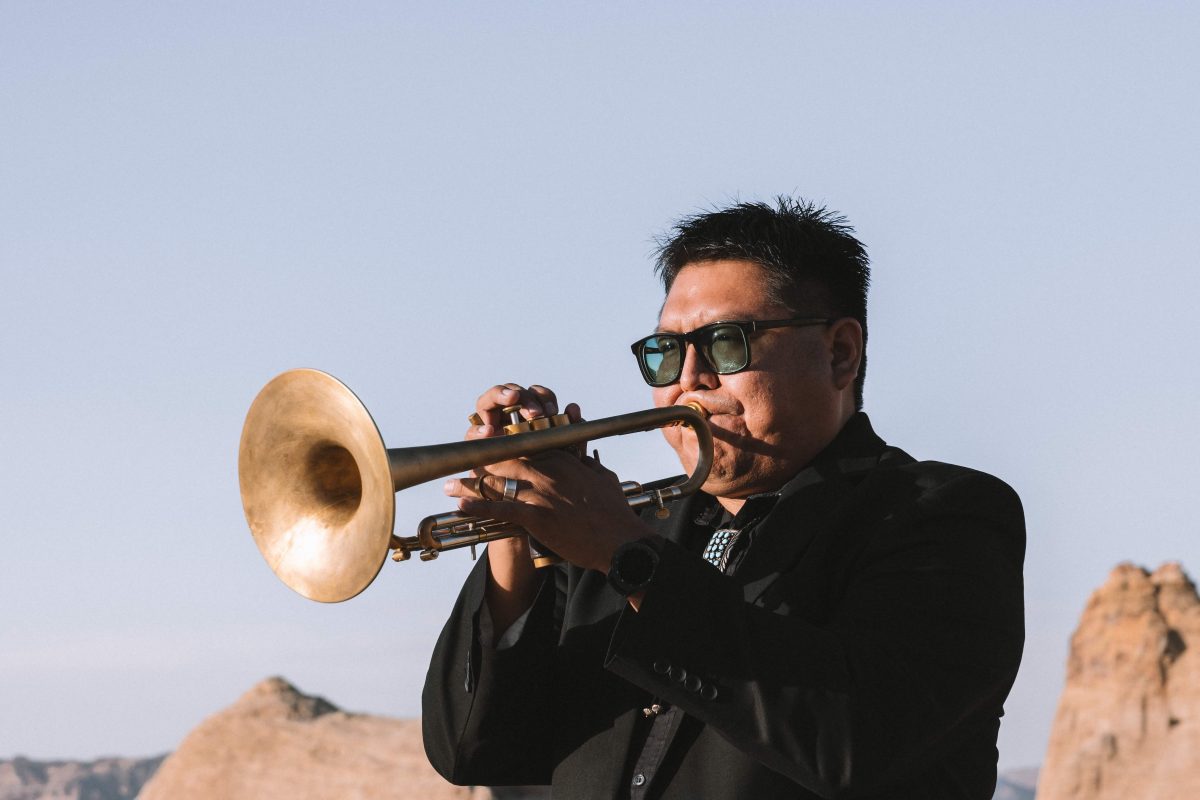
Delbert Anderson is a Diné jazz trumpet artist, composer, educator and culture bearer. Anderson performs music inspired by his Diné heritage with the Delbert Anderson Quartet. Anderson also composes music inspired by Navajo Nation landscapes and historical events in hopes to educate and preserve the truth of Diné history.
Anderson also created Build A Band, an educational program teaching jazz improvisation to young students through a Diné and Family curriculum. Anderson’s musical projects keep Indigenous knowledge and wisdom at the forefront. Along with researching Diné historical figures and events, Anderson developed wellness programs and community outreach programs to evoke change for the wellbeing of all humans.
“I am a healing artist. I heal communities and individuals with my Diné way of life, knowledge and wisdom so that everyone can live their lives through Hózhó (Beauty, Balance, Harmony).”
Dr. Marcela Rodriguez-Campo was born in Cali, Colombia, and immigrated to the United States at the age of five. Her early childhood was shaped by the legacy of narcoterrorism in Colombia and the family separation she experienced during her journey north. She found healing and empowerment through painting and poetry, which became central to her advocacy and passions as an educator. When language failed her, painting and poetry gave her the tools to name her lived experiences. These early memories inform her writing, which takes a synesthetic approach by exploring memory through texture and embodiment.
In 2021, Rodriguez-Campo earned a Ph.D. in curriculum and instruction with a specialization in cultural studies, international education, and multicultural education from the University of Nevada, Las Vegas. She also holds a master’s degree in curriculum and instruction from UNLV and a bachelor’s degree in English from Washington State University. With more than 10 years of experience in K-20 education, she has served as a local educator, DEI director, and consultant.
Rodriguez-Campo’s writing blends poetry, prose, and research to explore themes of immigrant experiences, belonging, education, identity, and healing. As a writing instructor, she draws on her educational expertise to help participants tap into memory and uses inquiry-based learning techniques to foster exploration and creativity. Her approach is expansive, community-informed, and research-based, using writing as a tool for healing and empowerment. She is the founding director of Co-Libre Education.
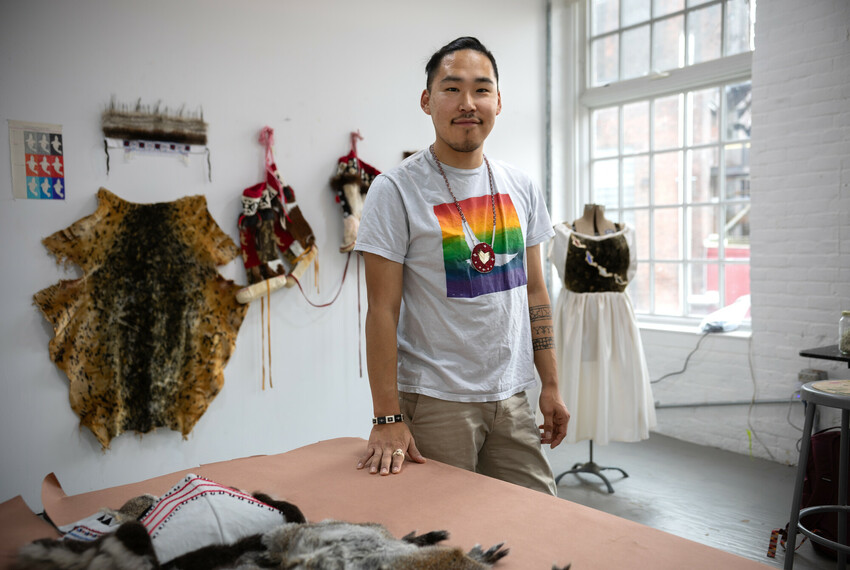
Golga Oscar, a Yup’ik artist from Southwest Alaska, creates work that reflects Yup’ik identity in both traditional and modern forms. Influenced by his Yup’ik ancestors and Indigenous artists across Turtle Island, Oscar is a self-taught artist who has crafted a variety of garments, including footwear and headwear.
Living in a Western society, he challenges perceptions of what a Yup’ik lifestyle looks like. Oscar also focuses on digital art, such as graphic design and digital photography. Through an Indigenous perspective, his goal is to Indigenize Western spaces, fostering an environment that welcomes current and future Native artists while addressing the ongoing challenges of Western assimilation.
Ibrahima “Soriba” Fofana, born and raised in Conakry, Guinea, grew up immersed in the rich traditions of Manding music. Under the guidance of esteemed mentors, he mastered the djembe, dundun, traditional dance, songs, and the eight-string n’goni, a symbol of his heritage.
In 2009, Soriba moved to the United States, dedicating himself to teaching and performing West African music and dance. He founded the Wassa Drum & Dance Ensemble in 2010, showcasing the vibrancy of Guinean traditions. He also organizes the annual Wassa Wassa African Dance & Drum Festival in Santa Fe, fostering cultural exchange through workshops and performances.
Soriba is committed to preserving and sharing Guinea’s musical heritage, educating audiences about its cultural significance. His performances celebrate life, community, and the unifying power of music. By honoring his ancestors and inspiring future generations, he ensures these traditions remain vibrant and thriving.
Isaac Lucero is a Xicano tattoo and multimedia artist from southwest Denver who incorporates his culture, community, and family into every aspect of his work. Specializing in black-and-gray tattooing, his style is heavily influenced by graffiti, Chicano heritage, and the storytelling traditions of his ancestors. For more than 15 years, he has been creating art that not only decorates skin but also reflects identity and resilience.
Outside the tattoo studio, Lucero is committed to giving back to his community. He collaborates with local nonprofits in Westwood, mentoring and working with youth and donating his time to ensure the next generation has access to creativity and cultural expression. Whether through ink, murals, or mentorship, he views his art as a tool for empowerment.
At the core of his work is his family. A devoted husband and father, Lucero balances his passion for art with his dedication to being present for his loved ones. He currently works out of a private studio in Arvada, Colorado.
He ʻōnaehana hoʻouna palapala noi pūnaewele ʻo CaFÉ e hoʻoikaika ana e hoʻolako i nā manawa hana no nā mea āpau ma o ka hāʻawi ʻana i nā hui noʻeau i kahi kahua hoʻouna kūpono a me nā mea hana kiʻi i kahi ala maʻalahi e noi ai.
ʻO GO Smart kahi polokalamu hoʻokele hāʻawi kūpono e hāʻawi ana i nā palapala noi mua a ma hope o ka noi, ka loiloi panel, a me ka hōʻike ʻikepili no nā mea hāʻawi.
ʻO ka Public Art Archive (PAA) he waihona manuahi, hiki ke huli, a e ulu mau ana i ka ʻikepili pūnaewele o nā hana noʻeau lehulehu i hoʻopau ʻia ma ka US a ma waho, me kahi hui o nā kumuwaiwai a me nā mea hana i kūkulu ʻia no ka mālama ʻana i nā hōʻiliʻili kiʻi lehulehu.

Hāʻawi ʻo ZAPP i nā luna hoʻomalu noʻeau a me nā ʻahaʻaina me kahi hui o nā mea hana e hōʻiliʻili ai i nā noi kikohoʻe a me nā jury, mālama i nā uku hale hale, a kamaʻilio pū me nā mea noi āpau i loko o kahi kahua kikohoʻe maʻalahi. Hiki i nā mea pena ke hoʻohana i nā haneli o nā hōʻikeʻike ma ka ʻāina ma o kahi pūnaewele kikowaena.