E hui me nā mea hāʻawi makana a Creative West a me nā hoa—nā mea hana kiʻi, nā mea lawe moʻomeheu, nā keʻena hana noʻeau, a me nā hui e hāpai ana i ka noʻonoʻo i ko lākou mau kaiāulu.
Hāʻawi ʻia nā haʻawina mai FY 2021 - FY 2023
Nā alakaʻi o nā alumni kala
%
o FY 2023 Tourwest hāʻawi i kākoʻo i ke komo ʻana i nā hana noʻeau ma nā kuaʻāina
Mahalo iā ʻoe a me Yu'us Maʻasi no ke kākoʻo ʻana i nā mea hana kiʻi ʻōiwi a me nā mea pena kiʻi, a no ka hāʻawi ʻana iaʻu i kēia manawa e kūkulu i waʻa kuʻuna kūikawā no ko mākou kaiāulu!
Pete Perez
2024 BIPOC Artist Fund | ʻO Saipan, ʻĀpana Mariana ʻĀkau
He hana kupaianaha ia i hoʻoikaika iaʻu e hana i kaʻu mau pahuhopu i ka hana noʻeau a me ka moʻomeheu. Manaʻo wau e hoʻomau ʻia nā pilina a mākou i kūkulu ai i ka makahiki i hala me ke kākoʻo mai ka papahana. Mahalo wau i nā hana a pau mai nā limahana a hoʻoikaika wau i ko lākou makemake e hana i kahi ʻokoʻa. Ua hoʻololi maoli ka papahana i koʻu ola.
Sam Zhang
23-24' LoCF hoa | Mikikana
E hoʻomaka ana kēia mau kālā i kahi kaʻina hana 2 makahiki lōʻihi e lilo i mea hoʻomohala hoʻokele waiwai e ka International Economic Development Council. ʻO kaʻu manaʻo nui i ka ʻoihana liʻiliʻi, ʻoihana ʻoihana, wahi hana, ʻenehana a pehea e hoʻolilo ai i nā ʻoihana liʻiliʻi me nā mea i loko o ka hoʻokele waiwai. ʻO kaʻu pahuhopu ʻo ka loaʻa ʻana o kaʻu palapala hōʻoia i nā makahiki 2 e hiki mai ana a e hoʻololi i kahi mea hoʻomohala hoʻokele waiwai a i ʻole ka luna hoʻokele keʻena.
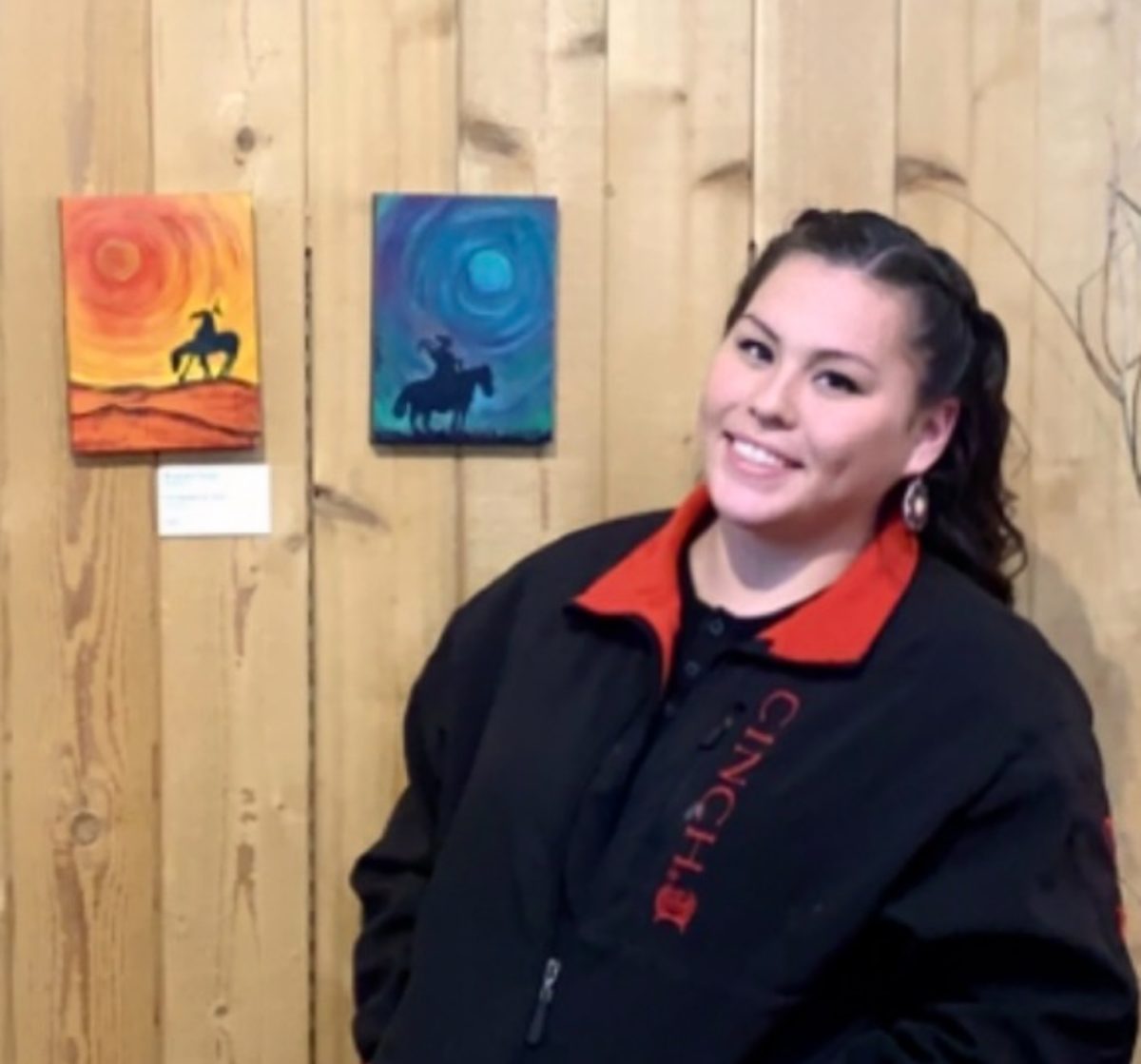
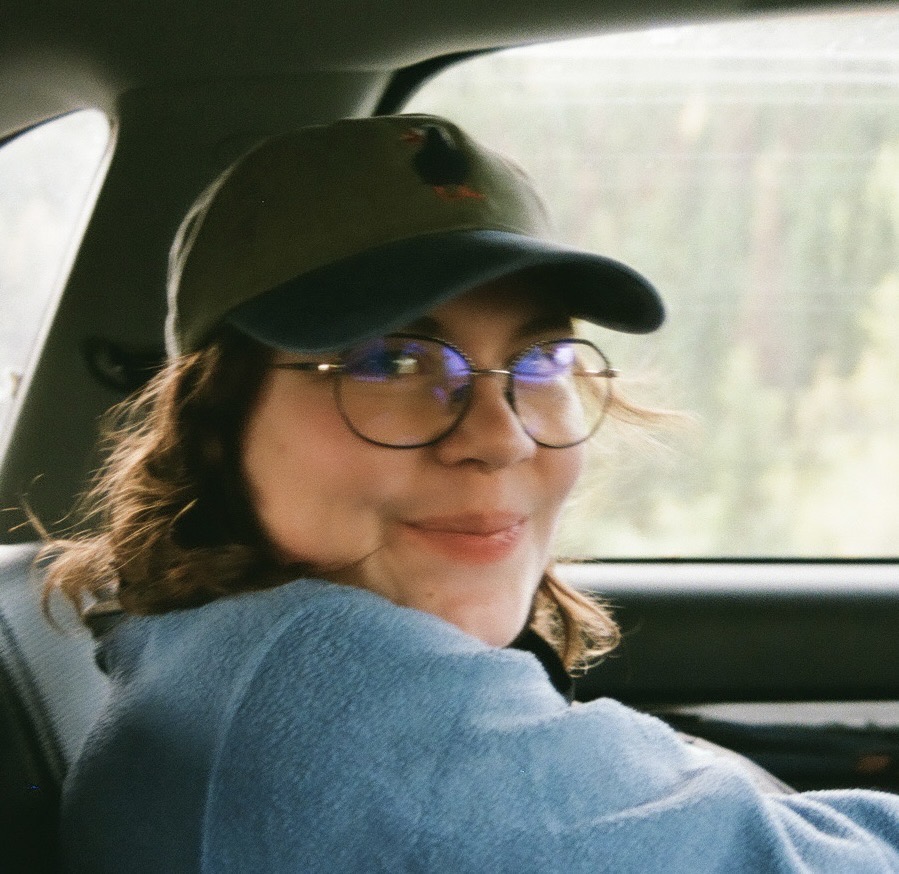
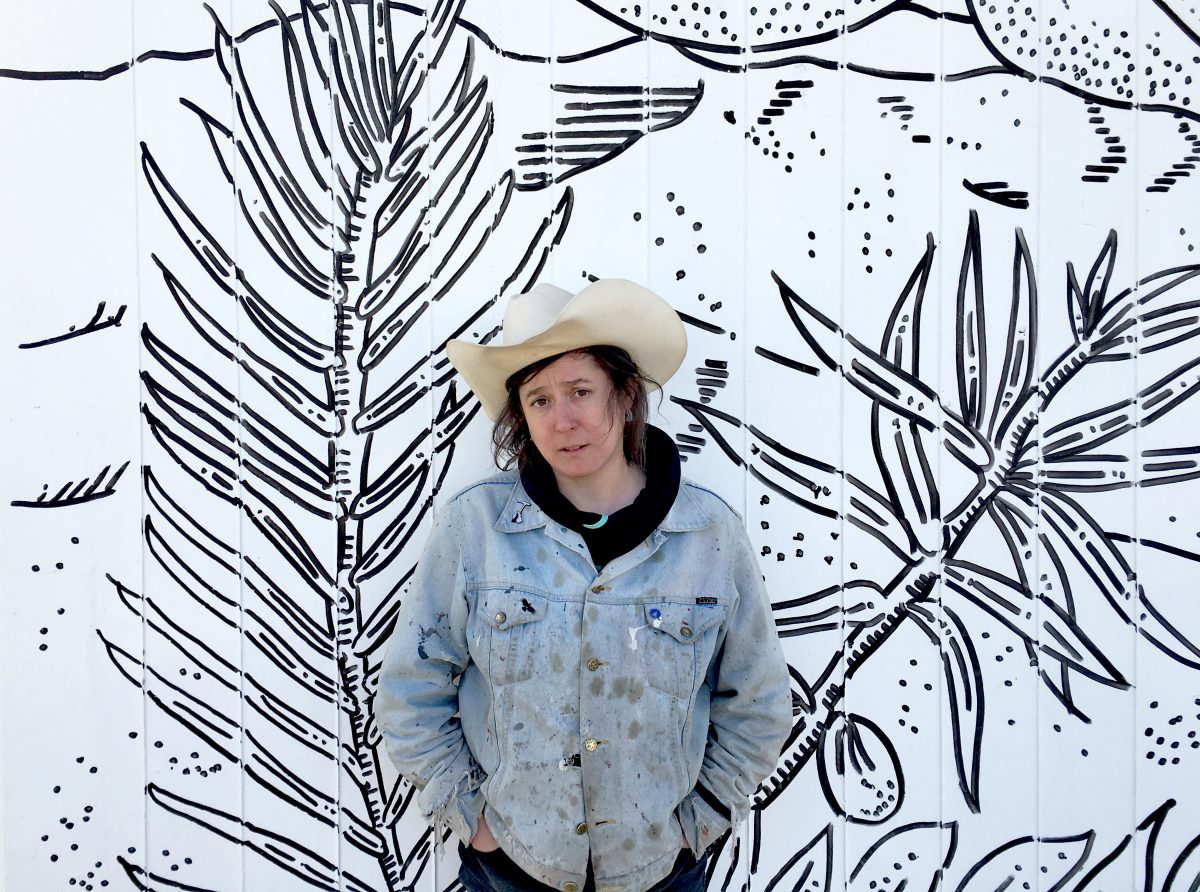
Aiyana Perez is a visual artist based in Lander, Wyoming, known for her surrealist exploration of nature’s beauty through paintings and public art. A member of the Eastern Shoshone Tribe, she was born and raised on the Wind River Reservation. With a diverse background in art—including digital media, stained glass, photography, and public art—Perez uses various mediums to express her creativity. She earned an associate degree in fine arts and an associate of applied science in photography, both from Central Wyoming College in 2021.
In 2022, Perez founded SageBrush Studio, which allows her to prepare for gallery exhibitions across Wyoming while fostering a vibrant artistic community and refining her own skills.
“Within my artwork, I incorporate motifs of universal thought, mountainous landscapes, and surrealist realities, allowing viewers to dive into a metaphorical realm,” Perez says. “Raising cultural awareness by including the Western narrative, but especially Indigenous peoples’ history, in an ever-changing community is what I strive to push through my art narrative. Through my work, I aim to push boundaries, foster artistic dialogue, and share the power of visual storytelling. I hope to create art that encourages others to see the world through a similar lens of wonder and imagination.”
Amber Kay Ball, born in Portland, Oregon, is a theatre maker, visual artist, and community-based advocate. As a contemporary Native multi-practice artist, Ball uses theatre, multimedia, and beadwork to share stories, truths, laughter, and joy. These mediums allow them to critically explore, honor, and weave Native pasts, presents, and futures through a just and liberated methodology.
Ball is a co-founder of Native Playwrights PDX and has showcased work with Portland Institute for Contemporary Art’s Untitled Native Project, Alternative Theatre Company’s Bridging Turtle Island Theatre Festival, and as co-director of The Nut, The Hermit, The Crow and The Monk at New Native Theatre. Their play, Finding BigFoot, was selected for Fertile Ground PDX’s New Play Festival and premiered as a staged reading at Barbies Village.
Ball is a Miller Foundation Spark Awardee, a PICA PDX Precipice Fund Awardee, a recipient of the Indigenous Place Keeping Artist Fellowship through the Confederated Tribes of Grand Ronde, and the Community Mentor Award from Southern Oregon University’s Native American Studies Department.
Cate Knothe is a filmmaker born and raised in Boise, Idaho. Influenced by the rugged landscape and unique character of their home state, Knothe’s work spans narrative, documentary, and experimental forms to uncover stories hidden within everyday realities. Drawing inspiration from place and setting, their films explore how collective memory and storytelling shape the ways people experience the world.
Knothe’s creative practice centers on themes of social justice and environmentalism, focusing on art that delves into micro-histories and community storytelling with broader political significance. In 2022, they began directing their first documentary, Stibnite, an ongoing investigation into modern mining practices in the American West. Currently, they are in post-production for Now It’s a Strange House, a documentary examining the historical and contemporary rise of fascism in Germany and the United States. Knothe is also completing Steward, a 16mm narrative film that explores the conflict between traditionalist and queer identities in rural America.
Knothe’s previous work has been screened at the National Film Festival for Talented Youth, the Duke Independent Film Festival, and MOPOP’s Science Fiction and Fantasy Short Film Festival.
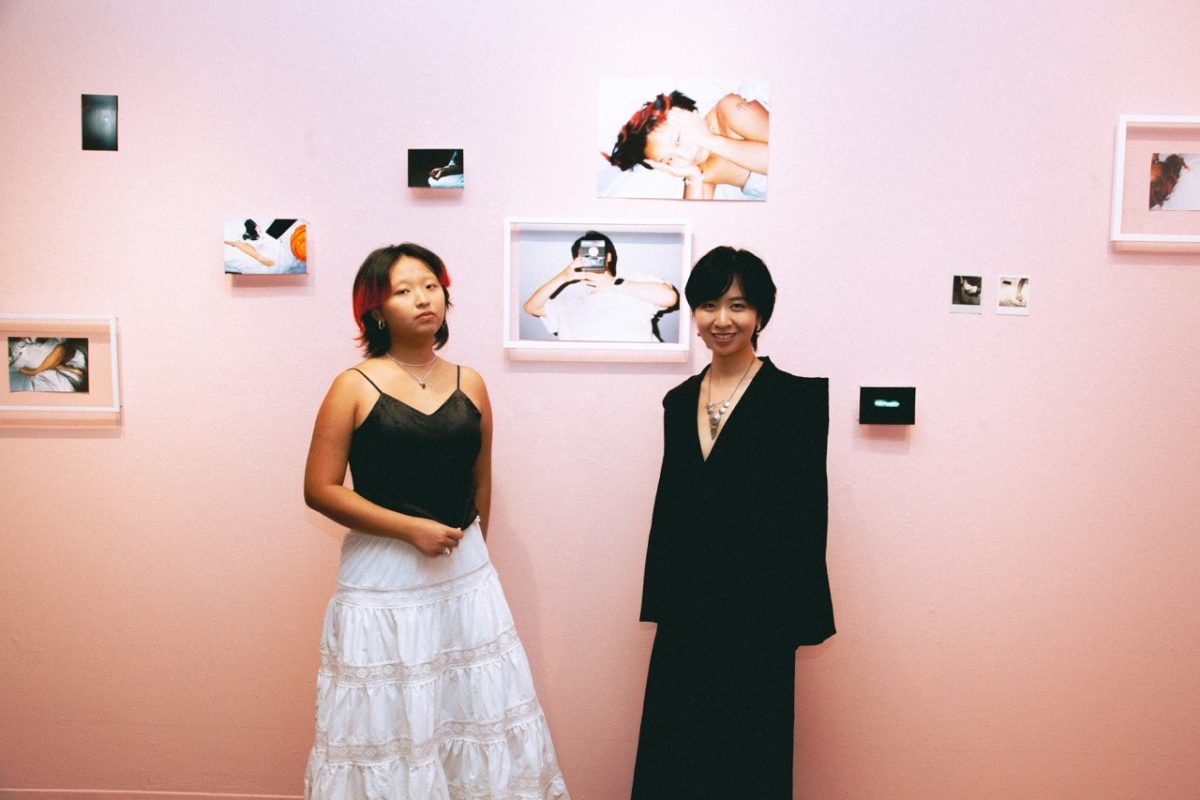
hú-tu (Laura 嘟嘟 and huiyin zhou) is an artist duo with backgrounds in social practice and anthropology, working across moving image, photography, performance, publishing, and collaborative writing. They have been awarded residencies and fellowships at The Luminary, Culture Push, Pedantic Arts, BRIClab, The Seventh Wave, and more. Follow their work at @huiyin.zhou and @lauradudupersonal.
Dedicated to multidisciplinary art and transnational organizing, Laura and huiyin co-founded and co-direct the Chinese Artists and Organizers (CAO) Collective 离离草. The Chinese Artists and Organizers (CAO) Collective creates art to empower relational community healing. Their work investigates systems of discipline, control, censorship, and capitalist extraction while reimagining memory, memorials, rituals, intimacy, and queer/feminist kinship to (re)build sustainable community infrastructures. From punching sticky rice to channel queer feminist rage to collectively writing poems about grief and care, CAO’s work is deeply collaborative and continues to evolve within community. Their projects have been supported by the Snapdragon Fund, SEEK Raleigh, Asian American Arts Alliance, The New Breath Foundation, ChineseFeminism, Foundation for Contemporary Arts, and many community members. Learn more at www.caocollective.com or follow @caocollective.
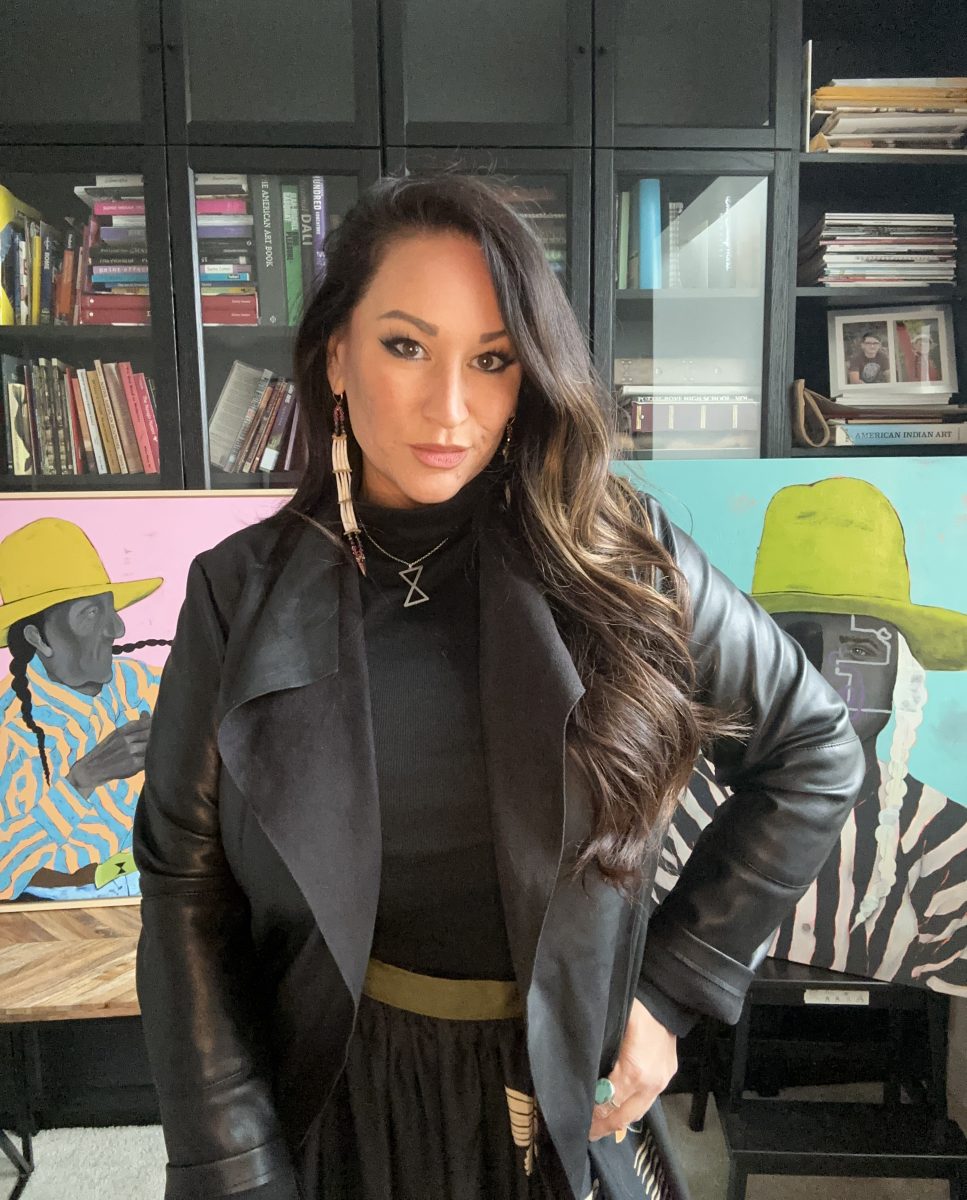
Danielle SeeWalker is a Hunkpapa Lakota citizen of the Standing Rock Sioux Tribe and a multidisciplinary artist, muralist, writer, and businesswoman based in Denver, Colorado. A former chair commissioner of the Denver American Indian Commission and, most importantly, a mother, SeeWalker’s work explores the intersections of Native American stereotypes, microaggressions, and colonialist systems, both historically and in contemporary society. Drawing on modern color palettes, expressionistic art strategies, and her Lakota traditions, she creates contemporary works that elevate historical perspectives often left untold. Her passion for redirecting the narrative to an accurate and insightful representation of contemporary Native America is central to both her art and community involvement.
SeeWalker is also a freelance writer and published her first book, Still Here, in 2020. She is the co-founder of The Red Road Project, a photo and film documentary project that captures inspiring and positive stories of Native American people and communities in the 21st century.
In 2022, SeeWalker received the Mayor’s Excellence in Arts & Culture Innovation Award, and she recently earned an Emmy Award for her work on the Rocky Mountain PBS documentary A New Chapter.
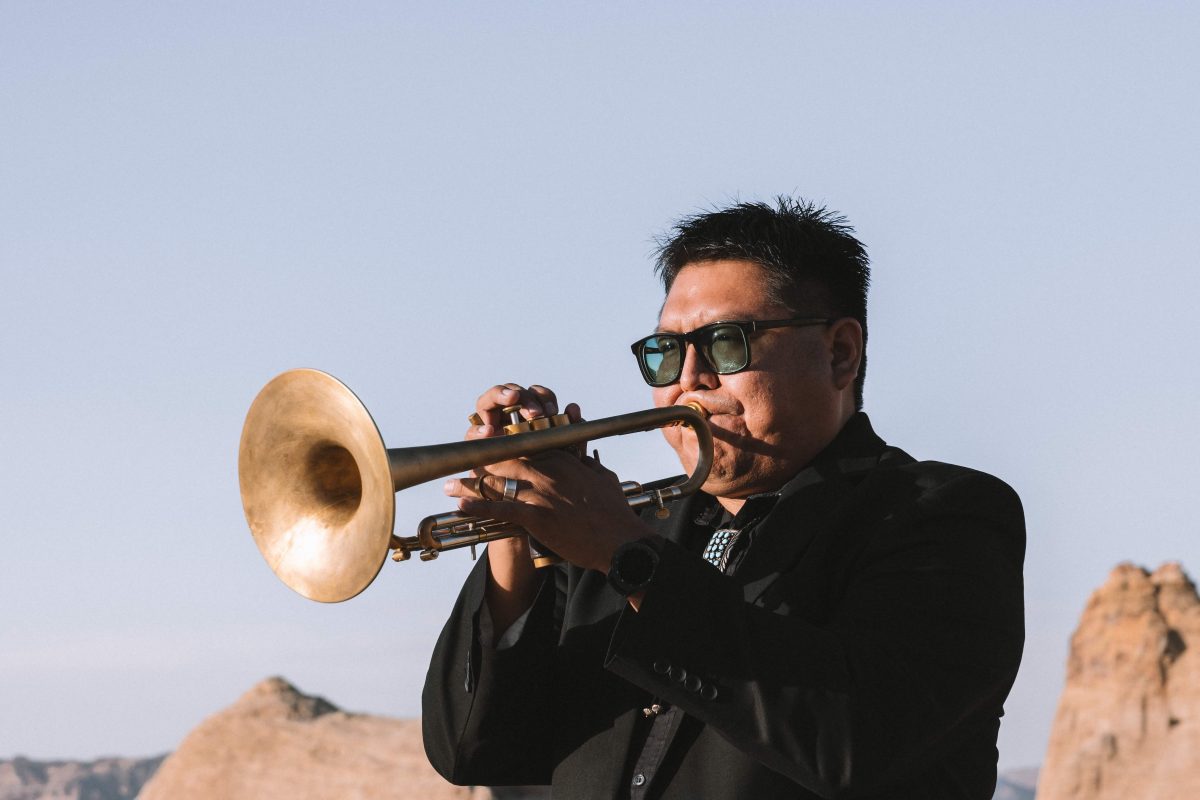
Delbert Anderson is a Diné jazz trumpet artist, composer, educator and culture bearer. Anderson performs music inspired by his Diné heritage with the Delbert Anderson Quartet. Anderson also composes music inspired by Navajo Nation landscapes and historical events in hopes to educate and preserve the truth of Diné history.
Anderson also created Build A Band, an educational program teaching jazz improvisation to young students through a Diné and Family curriculum. Anderson’s musical projects keep Indigenous knowledge and wisdom at the forefront. Along with researching Diné historical figures and events, Anderson developed wellness programs and community outreach programs to evoke change for the wellbeing of all humans.
“I am a healing artist. I heal communities and individuals with my Diné way of life, knowledge and wisdom so that everyone can live their lives through Hózhó (Beauty, Balance, Harmony).”
Dr. Marcela Rodriguez-Campo was born in Cali, Colombia, and immigrated to the United States at the age of five. Her early childhood was shaped by the legacy of narcoterrorism in Colombia and the family separation she experienced during her journey north. She found healing and empowerment through painting and poetry, which became central to her advocacy and passions as an educator. When language failed her, painting and poetry gave her the tools to name her lived experiences. These early memories inform her writing, which takes a synesthetic approach by exploring memory through texture and embodiment.
In 2021, Rodriguez-Campo earned a Ph.D. in curriculum and instruction with a specialization in cultural studies, international education, and multicultural education from the University of Nevada, Las Vegas. She also holds a master’s degree in curriculum and instruction from UNLV and a bachelor’s degree in English from Washington State University. With more than 10 years of experience in K-20 education, she has served as a local educator, DEI director, and consultant.
Rodriguez-Campo’s writing blends poetry, prose, and research to explore themes of immigrant experiences, belonging, education, identity, and healing. As a writing instructor, she draws on her educational expertise to help participants tap into memory and uses inquiry-based learning techniques to foster exploration and creativity. Her approach is expansive, community-informed, and research-based, using writing as a tool for healing and empowerment. She is the founding director of Co-Libre Education.
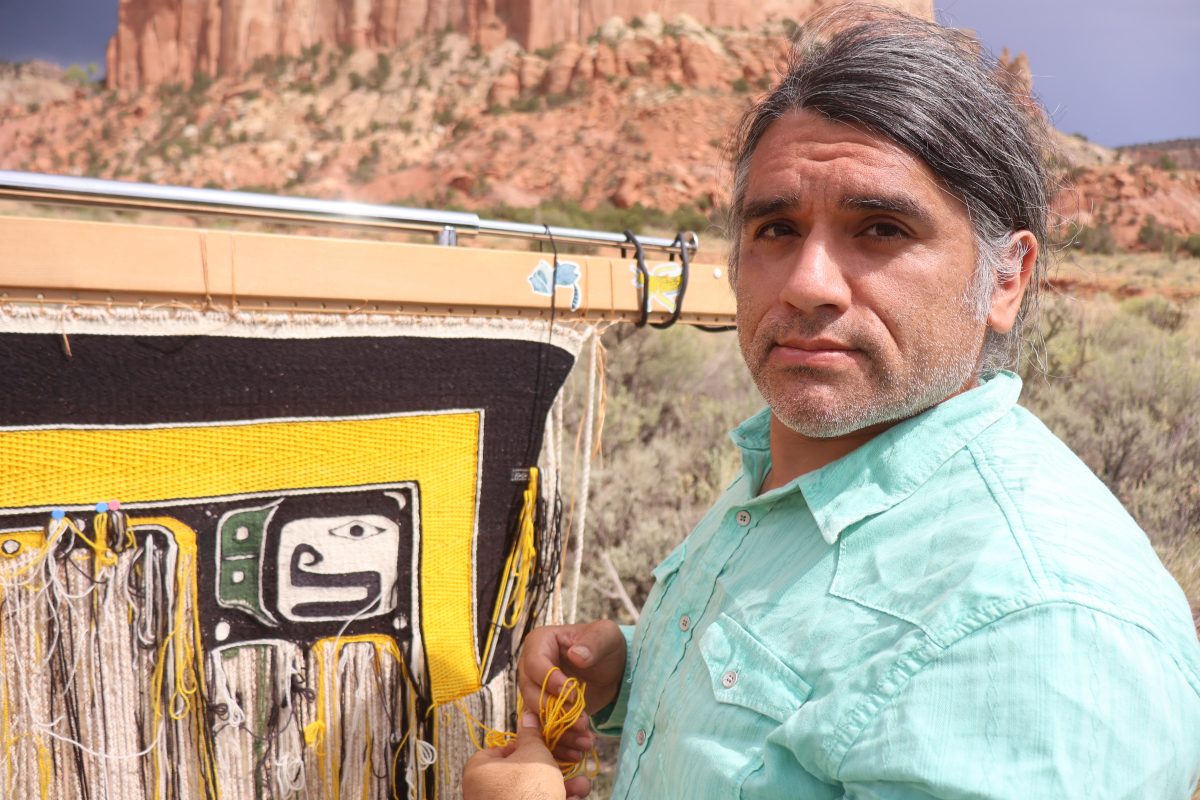
Neech Yaanagut Yéil yoo xhát duwasáak. Yéil áyá xhát.Teeyhítaan naax xhát site. Kagwaantan yádi áyá xhát. Laine Rinehart’s Tlingit name is Neech Yaanagut Yéil. He is of the Teeyhítan clan from Wrangell, Alaska, and is a child of the Kagwaantan through his father’s side. Maternally, he descends from Taos Pueblo on his mother’s side.
In the summer of 2010, Rinehart began weaving in Kay Parker’s Ravenstail class and has since worked with Lily Hope and her mother, Clarissa Rizal. He is deeply grateful for the opportunity to participate in a tradition that is typically unavailable to men and strives to honor the practices and traditions of Chilkat weaving. Using materials such as mountain goat hair (jaanwu) and yellow cedar bark, Rinehart crafts a weaving style that reflects respect for and dedication to this cultural art form.
Mary Welcome is a multidisciplinary cultural worker and rural avant-garde artist based in Palouse, Washington. Born into a military family, her upbringing across the American landscape shaped her as a keen observer of people and place—how communities are built, broken, made, and unmade. For more than two decades, she has developed art projects that nurture local culture, reflect a sense of place, and deepen community relationships.
Welcome’s work explores the rural condition, addressing both the challenges and assets of place while advocating for diverse, resilient, and culturally rich shared realities across the rural-urban divide. As an artist-organizer, her projects are rooted in community engagement and the creation of intersectional programming that addresses equity, cultural advocacy, visibility, queerness, and imagination. She brings a nuanced perspective to the contemporary arts field, working as an organizer in service to small towns, a cultural producer across American geographies, and a facilitator of place-based arts programming.
Welcome is the founder of More Parades, a nonprofit cultural incubator dedicated to sustaining artistic practice in rural and under-resourced communities.
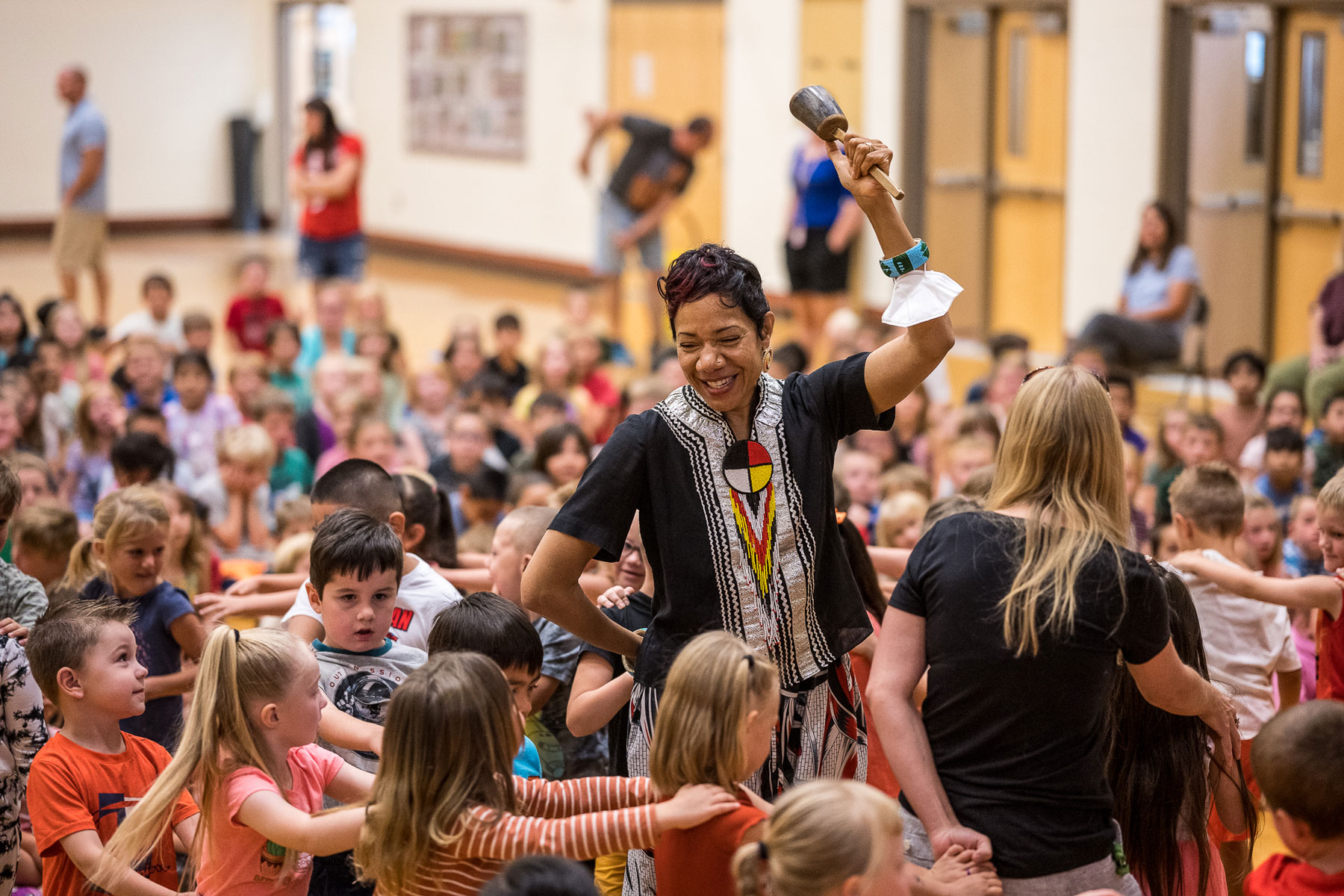
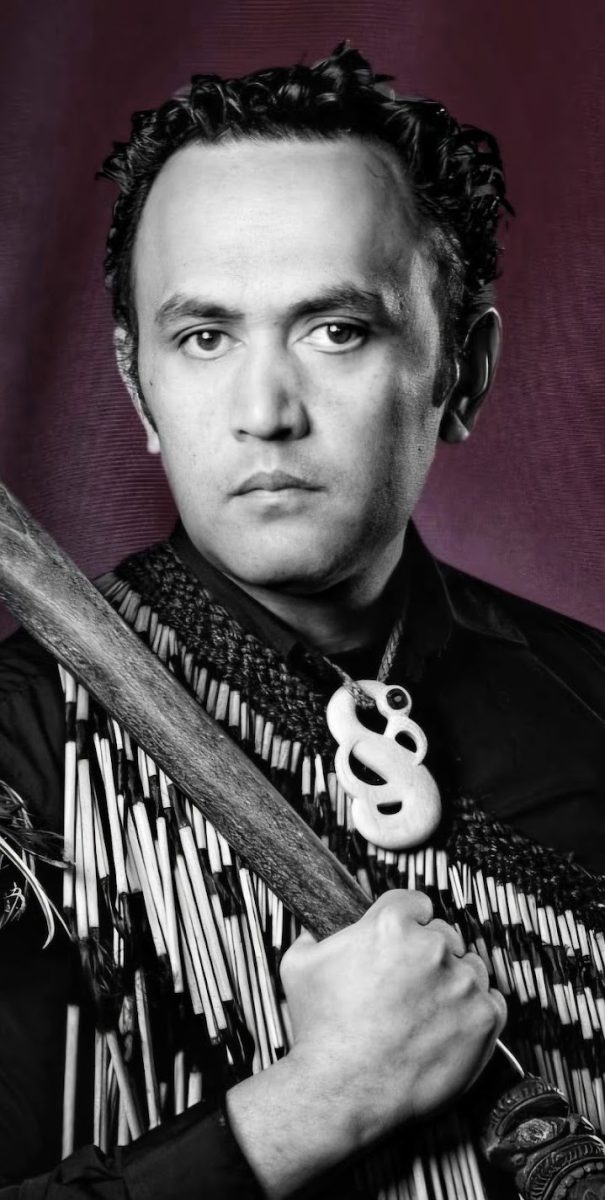
Mitchell Rudolph is a Māori cultural practitioner, haka educator, and first-grade teacher based in Utah. Raised on his marae in Aotearoa, Rudolph learned haka, waiata, karakia, and Māori performing arts through intergenerational teachings rooted in cultural responsibility, ancestral knowledge, and community care. His grandfather, a tribal leader, instilled values that continue to guide his work today.
Rudolph serves as a teacher at Mana Academy Charter School and works as a cultural mentor for Māori, Pacific Islander, and Indigenous youth and families across Utah. His creative practice centers on haka as a tool for healing, identity, belonging, and collective voice. He leads workshops, performances, school programs, and community gatherings that honor tikanga Māori while fostering connections across Indigenous and multicultural communities.
Much of Rudolph’s work focuses on supporting youth in the diaspora, helping them reconnect with their ancestors, build confidence, and see their cultures reflected with pride. Through teaching, curriculum development, and community collaboration, he carries haka forward with integrity, care, and purpose.
Pi‘ilaniwahine Smith is a Native Hawaiian contemporary artist and kumu hula, descending from a matrilineal genealogy of kumu hula within her ‘ohana. Her mother, Alicia Keolahouakamalama Keawekane Smith of Haleʻiwa, Oʻahu, is her kumu hula and the founder of the esteemed Hālau O Nā Maolipua.
Smith’s ʻieʻie weaving is deeply informed by her practice of hula kuahu, where the ‘ie‘ie serves as a manifestation of Laka. She is recognized in her community as a hula practitioner who uses her cultural knowledge and experience as a form of political resistance and activism, advocating for the protection of ʻāina and Native Hawaiian rights. Through her use of ‘ie‘ie, Smith reclaims the connection between people and place, reigniting conversations of the sacred with the sacred through Ma ka ʻike ka hana, a traditional Native Hawaiian worldview where continuity of knowledge informs future generations.
In 2024, Smith celebrated her artist debut with her solo exhibition, ʻIe holo ē, at the University of Hawaiʻi at Mānoa’s Hamilton Library, Hawaiʻi and Pacific Collections. The exhibition featured a nine-piece collection, culminating in a rare kiʻi akua hulu manu.
Today, Smith continues her family’s hula legacy as kumu hula of Hālau Mālamalamapiʻopiʻookalāpukakakahiaka.
Sapioamoa Taiulagi Galea’i, known as Sapi, was born and raised in American Samoa with deep roots in the villages of Fitiuta, Sapapali’i, Pava’ia’i, and Nu’uuli. She is of Samoan, Hawaiian, and Japanese descent. Sapi is married and, together with her husband, lovingly raises their four daughters and son.
Galea’i holds dual degrees in nutrition science and psychology, as well as a master’s degree in education. For more than a decade, she served as program director for the American Samoa Department of Education’s School Lunch Program, crafting daily meals for more than 12,000 children across 35 schools. In 2024, she transitioned from institutional kitchens to her own, discovering that cooking was more than a task—it was a language of love, a canvas for creativity, and a powerful form of therapy. From her home kitchen, she founded and now owns Four Sisters Catering Company, Lumana’i Property Management, and is developing a foodservice training space set to open in 2026.
Galea’i found that letting go of the success she once pursued made space for a passion that truly fed her soul. She treasures time with family and friends. When not in the kitchen, she enjoys meals with her father and husband, drives her children to school, sports, and dance, and ensures she carves out “me time.” Galea’i joy comes from creating something beautiful and nourishing, sharing it with others, and making lasting memories.
Sarah Capdeville is a queer, disabled, place-based writer and the author of Aligning the Glacier’s Ghost, which won the 2022 River Teeth Literary Nonfiction Book Prize. She was a finalist for the 2019 Montana Prize in Nonfiction, and her work has appeared in Orion, Fourth Genre, The Normal School, Flyway, and other publications.
Capdeville holds an MFA in creative writing from Chatham University and studied resource conservation and wilderness studies at the University of Montana. For five seasons, she proudly served as a wilderness ranger in Montana’s Rattlesnake, Welcome Creek, and Absaroka-Beartooth Wilderness areas.
An editor with The Hopper and The Changing Times, Capdeville lives in Missoula, Montana, with her partner, a lanky greyhound, and an opinionated tortoiseshell cat.
Sheila Black is a disabled poet, essayist, and editor whose work focuses on language, embodiment, and the power of art to build community. She is the author of five poetry collections and three chapbooks, including Radium Dream (Salmon Poetry, 2022), with a new collection, Cinnamon Fire, forthcoming in spring 2026. Her poems and essays have appeared in Poetry, The Nation, Blackbird, Kenyon Review Online, and The New York Times.
Black holds a bachelor’s degree in French literature from Barnard College (1983) and a master’s degree and MFA in English and creative writing (poetry) from the University of Montana (1998). Her education informs her attention to voice, translation as both practice and metaphor, and literary lineage as a means of reclaiming disability history and culture.
She is a co-editor of the landmark anthology Beauty Is a Verb: The New Poetry of Disability (Cinco Puntos, 2011) and The Right Way to Be Crippled and Naked (Cinco Puntos, 2017), an anthology of fiction by disabled writers that received the Barbara Jordan Media Award. Black is also a co-founder of Zoeglossia, a nonprofit dedicated to cultivating disability poetry communities.
Her cultural work focuses on creating space and community for writers who are often overlooked, including disabled writers, older women writers, and arts administrators seeking support and creative sustenance in an increasingly challenging cultural environment.
She lives in Tempe, Arizona, and serves as assistant director of the Virginia G. Piper Center for Creative Writing at Arizona State University.
Vincent J. Reyes is a cultural leader, Master of Chamoru Dance, and creative director whose work focuses on national identity, cultural sovereignty, and institution-building through the performing arts. A native of the southern village of Malesso’, Reyes has dedicated his life to creating systems, spaces, and pathways that ensure Chamoru culture is seen, valued, and sustained on both national and international stages.
As the national folk dance director for the Department of Chamorro Affairs, Reyes is spearheading the development of the Guam Museum National Theater, a landmark initiative envisioned as a national home for Chamoru performance, storytelling, and artistic excellence. His creative philosophy views cultural performing arts not just as tools for preservation or presentation, but as instruments of empowerment, identity formation, and nationhood—affirming that culture is both living and foundational to self-determination.
Reyes is the founder and director of the Inetnon Gefpa’go Cultural Arts Program, which has served as a cultural institution for more than 25 years, nurturing generations of artists while establishing standards of authenticity, innovation, and excellence. Through international representation, leadership development, and large-scale cultural programming, he has created enduring pipelines that elevate local artists into national and global ambassadors.
Having represented Guam in more than 43 countries, Reyes continues to build platforms where Chamoru identity is not only remembered but actively shaped, expressed, and carried forward for future generations.
William Jr. (Repeki) Adrillano is a carver based on the island of Saipan. A new local artist, he works primarily with shells, stone, and other natural island materials to create wearable pieces inspired by sinåhi forms, ocean movement, and the cultural strength of the Marianas. He shares his work through his artist page, Sinåhi Marianas, and is an active member of the community artist collective Alåhas Di Marianas, where members gather to carve, exchange skills, and invite others—especially youth—to learn this hands-on craft.
Outside of his art practice, Adrillano owns a small local business, Marianas Power Wash, which allows him to support his family while staying present in their lives. His goal is not to chase excess but to sustain his family with just enough while prioritizing family, culture, and community.
As a father, Adrillano’s deepest motivation is to leave his son a good pattern to follow—one rooted in creativity, responsibility, cultural pride, and showing up every day with purpose.
He ʻōnaehana hoʻouna palapala noi pūnaewele ʻo CaFÉ e hoʻoikaika ana e hoʻolako i nā manawa hana no nā mea āpau ma o ka hāʻawi ʻana i nā hui noʻeau i kahi kahua hoʻouna kūpono a me nā mea hana kiʻi i kahi ala maʻalahi e noi ai.

ʻO GO Smart kahi polokalamu hoʻokele hāʻawi kūpono e hāʻawi ana i nā palapala noi mua a ma hope o ka noi, ka loiloi panel, a me ka hōʻike ʻikepili no nā mea hāʻawi.
ʻO ka Public Art Archive (PAA) he waihona manuahi, hiki ke huli, a e ulu mau ana i ka ʻikepili pūnaewele o nā hana noʻeau lehulehu i hoʻopau ʻia ma ka US a ma waho, me kahi hui o nā kumuwaiwai a me nā mea hana i kūkulu ʻia no ka mālama ʻana i nā hōʻiliʻili kiʻi lehulehu.

Hāʻawi ʻo ZAPP i nā luna hoʻomalu noʻeau a me nā ʻahaʻaina me kahi hui o nā mea hana e hōʻiliʻili ai i nā noi kikohoʻe a me nā jury, mālama i nā uku hale hale, a kamaʻilio pū me nā mea noi āpau i loko o kahi kahua kikohoʻe maʻalahi. Hiki i nā mea pena ke hoʻohana i nā haneli o nā hōʻikeʻike ma ka ʻāina ma o kahi pūnaewele kikowaena.