Federal arts and cultural policy is evolving rapidly. Stay informed and take action through Creative West’s Action Center.

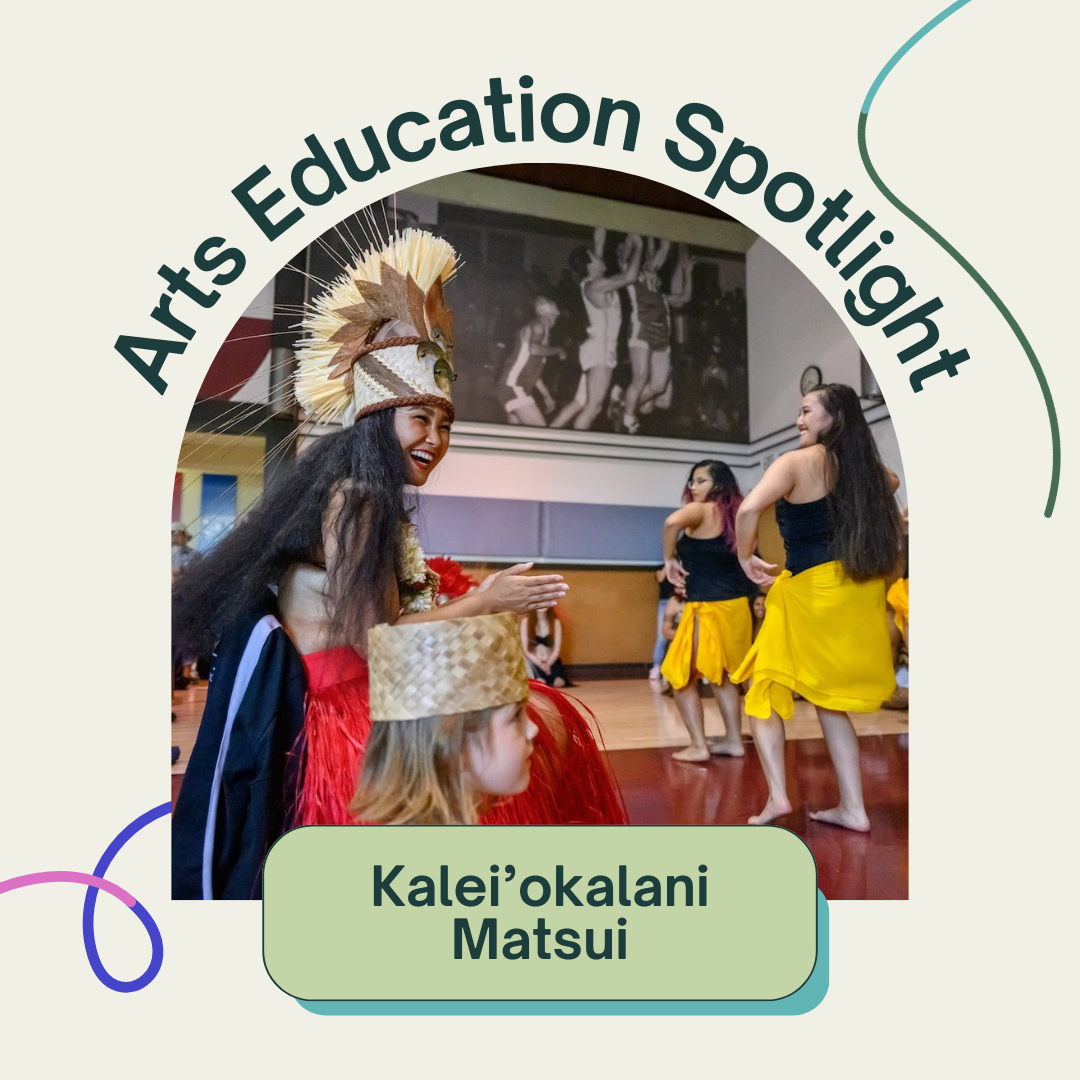
Arts Education Spotlight Series 1
Retour à toutes les actualités


A Teaching Artist’s Path to Connection and Healing

mars 12, 2026

Creative West is proud to launch a new storytelling series highlighting the transformative power of arts education. Through these spotlights, we’ll share the stories of teaching artists, educators, and cultural leaders who are shaping their communities and advancing access to the arts. Join us as we celebrate their work, their journeys, and the impact they’re making.

Kalei-and-students

Photo Credit Tamar Krames

Kalei is a mother born and raised in Wai’anae, O’ahu, now living on Coast Salish lands. She is a proud descendant of Native Hawaiian, Japanese, Black and Chinese heritage. Kalei is a Jubilation Foundation Fellow recognized for helping young people feel fully alive through rhythm and a 4Culture Arc Artist Fellow recognized for transforming the King County arts and cultural landscape. Kalei is the Arts in Education Program Coordinator with ArtsWA and the founding leader of Polynesian dance troupe Huraiti Mana.

What are your creative/cultural/art practices?

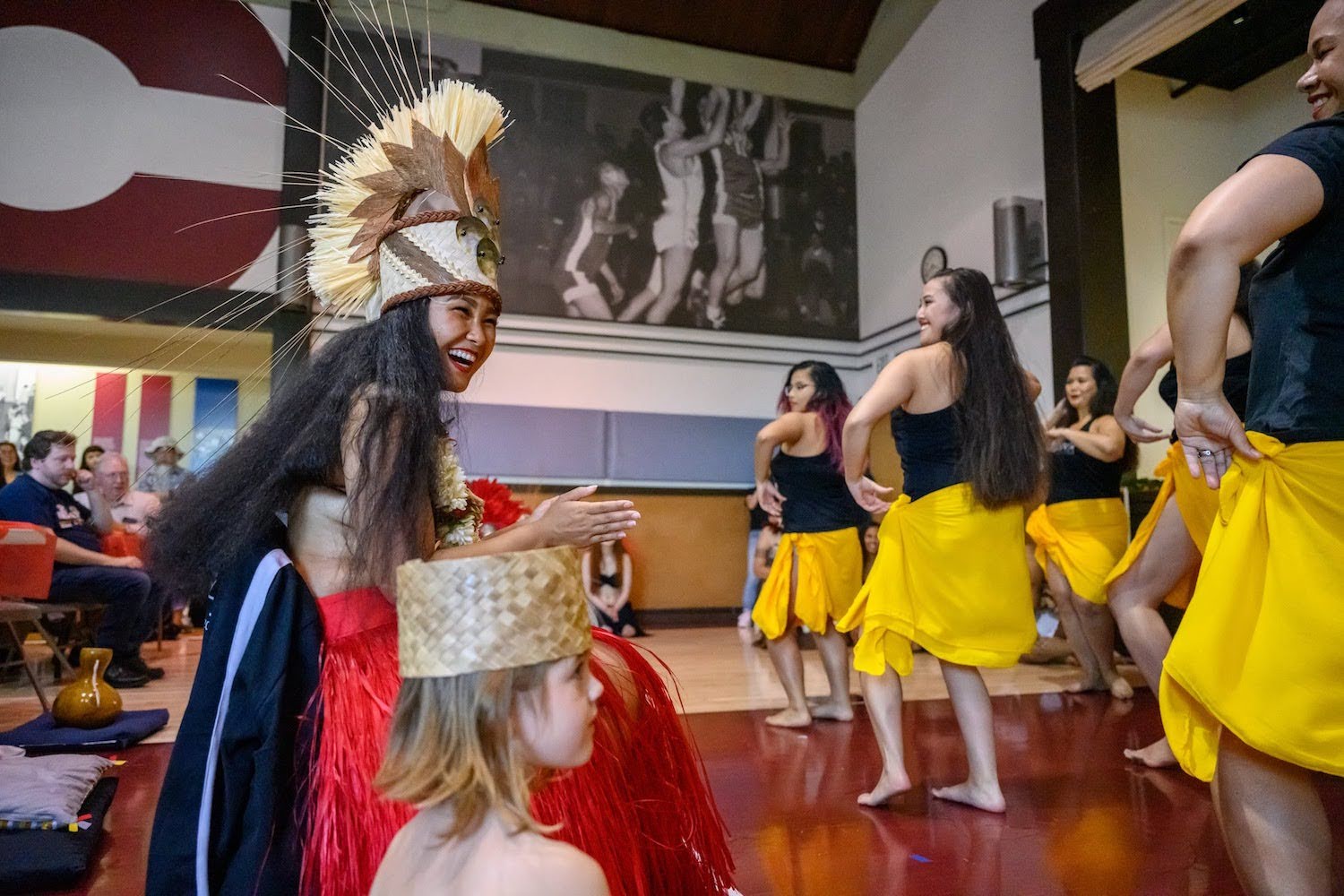
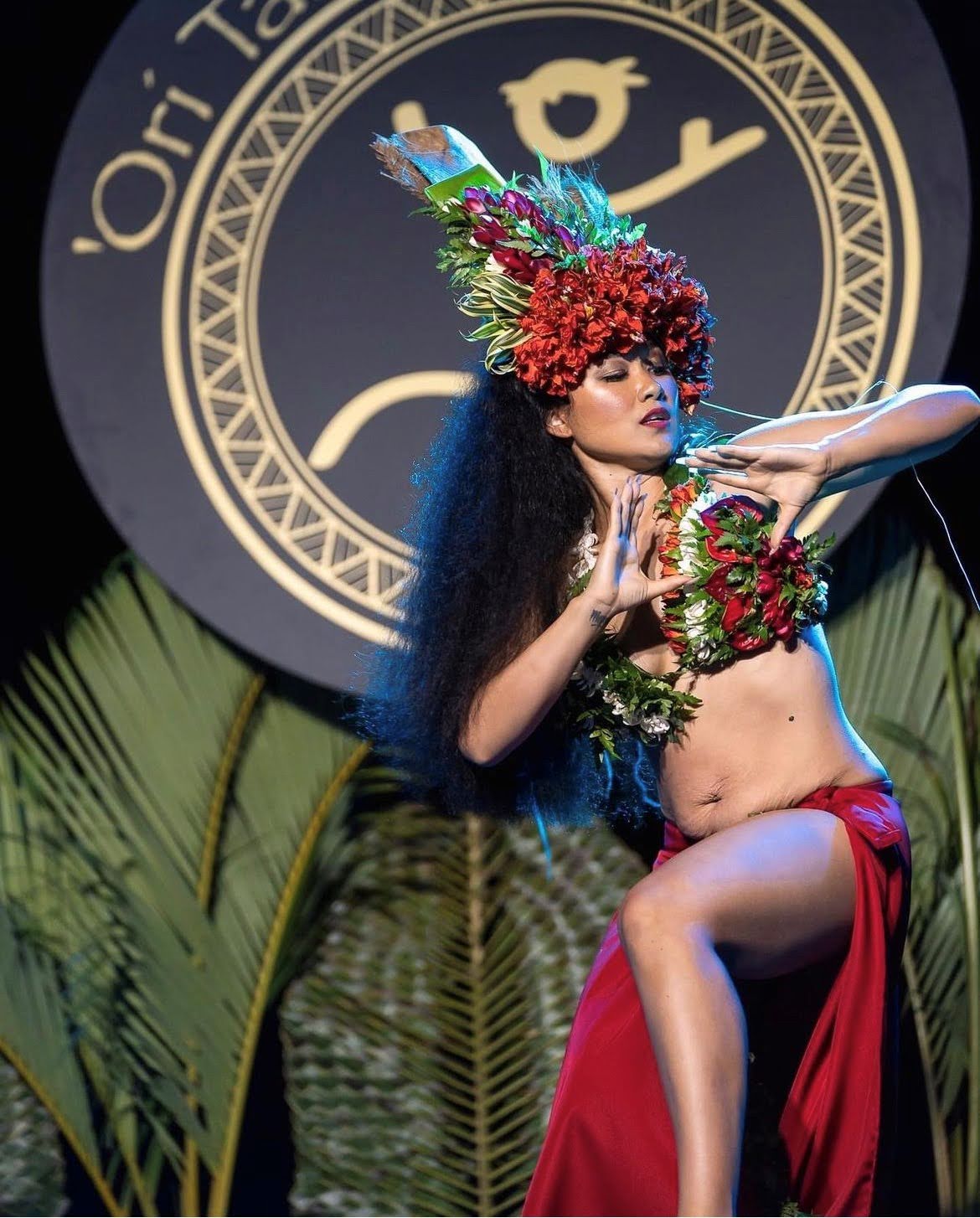
As a culture bearer, I center my teachings on lived experience, ancestral philosophy and movement of the Indigenous Pacific. I lead ‘ori Tahiti and hula dance classes with choreography connected to ancient meaning; offer lei-making workshops weaving history and sense of place; and foster Mo’olelo & Mana’o Moments, “talking story” about identity and re-indigenization. I am a drummer, chanter, dancer, choreographer, lei-weaver and storyteller.

Kalei and Keiki

Photo Credit Tamar Krames

Why do you teach?

Dance saved my life. Dancing fueled body autonomy, chanting gave rise to voice, and stories of ancestral connection actualized a future. I am a child survivor of gender-based violence and a mother to a young daughter. I am driven to become the person I needed most when I was young. I needed connection, belonging, power, encouragement and joy – which I found through my culture. I continue to teach so that our feminine, intergenerational, neurodiverse and culturally rich community of dancers can reconnect to their original identity so that we may all recognize the homes within our hearts.

How did you get here?
After moving from Hawaiʻi in 2009, I convinced Seattle University Athletics to create a Tahitian dance class at the gym – it was my first job. I then volunteered as a choreographer and teacher for seven years with the Seattle University Hawaiʻi club as a student and alum. Feeling unprepared but motivated by my 4-year-old niece, in 2014 I began teaching a pre-K hula class with Families of Color Seattle (FŌCS) while also working at the Wing Luke Museum of the Asian Pacific American Experience. Both experiences connected the arts with cultural identity, social justice and youth engagement.

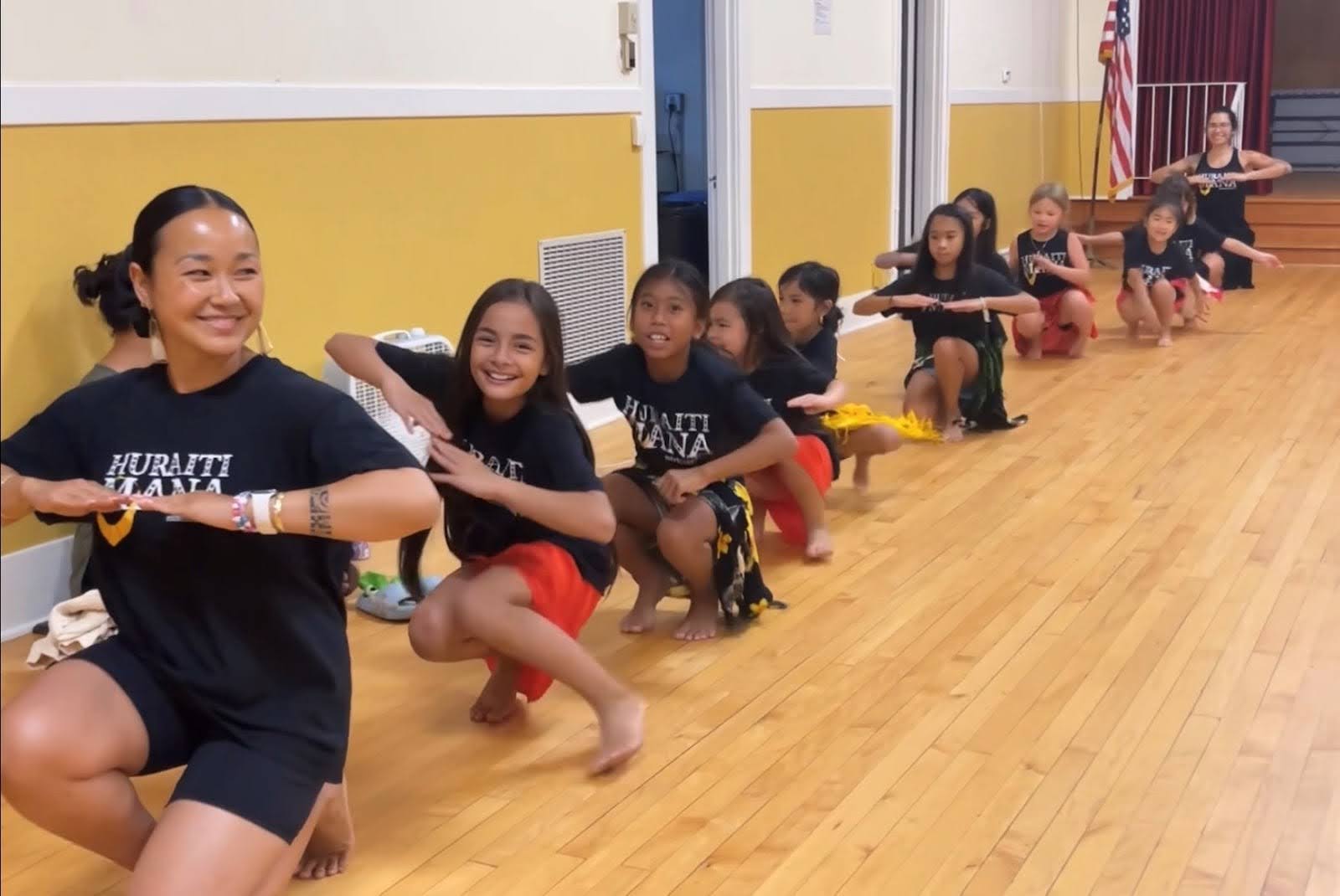
Through the museum, I met healer and multimedia artist Julz Ignacio, who at the time worked at Arts Corps, a revolutionary arts-education initiative. Julz suggested I join as a “teaching artist.” It was the first time I heard those words. My mentor and Arts Corps Executive Director Eduardo Mendoça believed in me to fulfill a role as master teaching artist, where I led the after-school program Hula Mai ‘Oe for four years in elementary schools in the Seattle and Highline school districts.

In 2017, I opened Huraiti Mana, taking my independent teachings public for students of all ages, continuing conversations that I had enjoyed and that have challenged me over these years of teaching – “talk-story” about heritage, spiritual strength, intergenerational trauma, sisterhood, decolonization, community and inner power.

Through these people-of-the-land and organizations-for-the-people, I realized I wasn’t only teaching dance – I was a part of advancing access to the arts, re-indigenizing history and centering ancestral philosophy. From 2018 to 2024, I collaborated with educators of the Seattle Public Schools Ethnic Studies Program and Meridian School’s Diversity & Equity Program to create the Oceania curriculum. In 2025, I was invited to speak in schools across Seattle, (re)introducing Hawaiʻi to early learners and diving through layers of identity with elementary and middle schoolers as part of Diversity, Equity, Inclusion and Belonging programs.
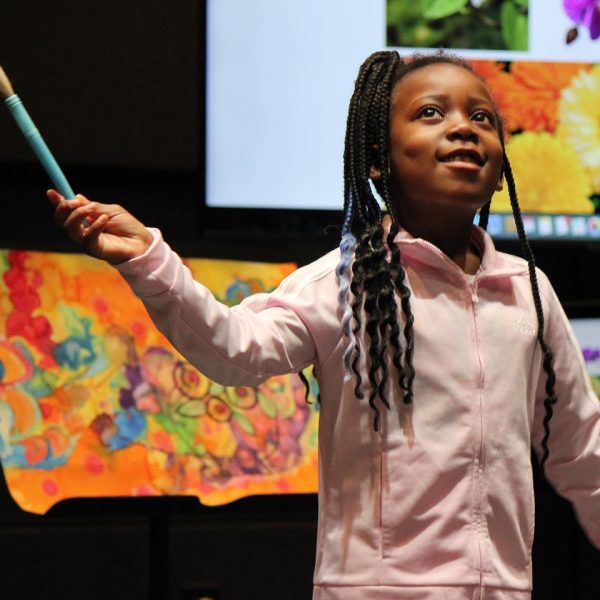
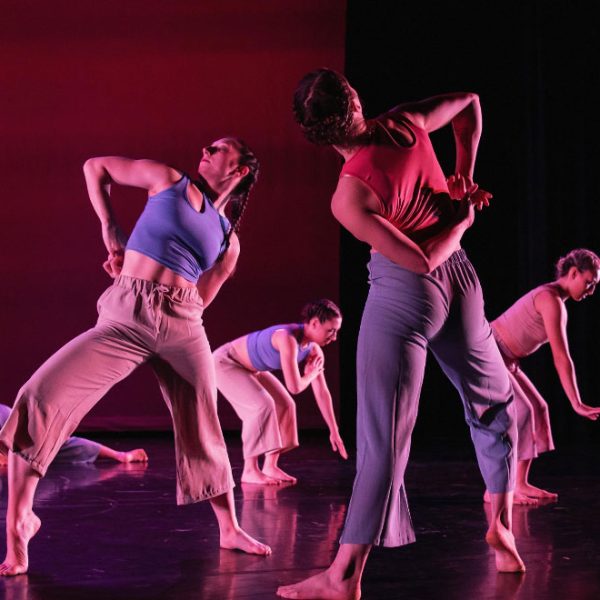
Faaori-24-Kalei

Photo Credit Tamar Krames

In a deeply personal aspect of my journey, I learned that as I taught, I was fostering healing, building interconnectedness and sharing empowerment. The questions I asked myself, I attempted answering through artmaking and teaching:

  • After abuse: “How is my body my own?”
  • Upon moving to Seattle: “How do I continue my indigeneity outside of the land I’m indigenous to?”
  • In becoming a teacher: “How can I be the person I needed when I was young?”
  • And becoming a mother: “How can we find the homes within our hearts?”

In Hawaiʻi, the word is “a’o.” A’o means both to teach and to learn, a never-ending reciprocity of innermost strengths and affirming knowledge. What I share with students, I gain tenfold by their wisdom and perspective. All of which to say: I am honored to be a teaching artist.

How do you see your work connecting to themes of democracy, wellbeing, and belonging?
Through these people of the land and organizations for the people, I realized I wasn’t only teaching dance – I was a part of advancing access to the arts, re-indigenizing history and centering ancestral philosophy.

Learn more about Kalei’okalani Matsui
Website: https://www.huraitimana.com/   Instagram: https://www.instagram.com/huraitimana/

Tamar Krames Headshot

Photo Credit Tamar Krames

Submitted by: Tamar Krames, Arts in Education Manager, ArtsWA

About Tamar
Tamar joined ArtsWA in 2019. She oversees projects that expand arts and cultural learning opportunities for young people. Her past work as a K-12 educator, artist, and teacher educator has focused on language, literacy, and culture. Current projects include arts education research, collective impact projects, and amplifying the creative practices of youth and educators. Tamar holds a Master of Teaching degree from The Evergreen State College and a Bachelor of Fine Arts degree from the San Francisco Art Institute.

Abonnez-vous à notre newsletter par e-mail :

Services Web propulsés par

L'Ouest créatif

CaFELogo150x80x2Planche-1@2x

CaFÉ est un système de soumission de candidatures en ligne qui s'efforce de rendre les opportunités artistiques accessibles à tous en offrant aux organisations artistiques une plateforme de soumission abordable et aux artistes un moyen simple de postuler.

recadré-GOSmart-Logo-sarcelle-original-2-e1719505570844

GO Smart est un logiciel de gestion de subventions abordable qui propose des formulaires de pré- et post-candidature, un examen par un panel et des rapports de données pour les donateurs.

PAA-2023-haute résolution

La Public Art Archive (PAA) est une base de données en ligne gratuite, consultable et en constante évolution d'œuvres d'art publiques achevées aux États-Unis et à l'étranger, avec une suite de ressources et d'outils conçus pour la gestion des collections d'art public.

ZAPP_rgb 2

ZAPP fournit aux administrateurs de foires et de festivals d'art une suite d'outils pour collecter et évaluer numériquement les candidatures, gérer les paiements des stands et communiquer avec les candidats, le tout sur une seule plateforme numérique facile à utiliser. Les artistes peuvent postuler à des centaines de salons dans tout le pays via un site Web central.